
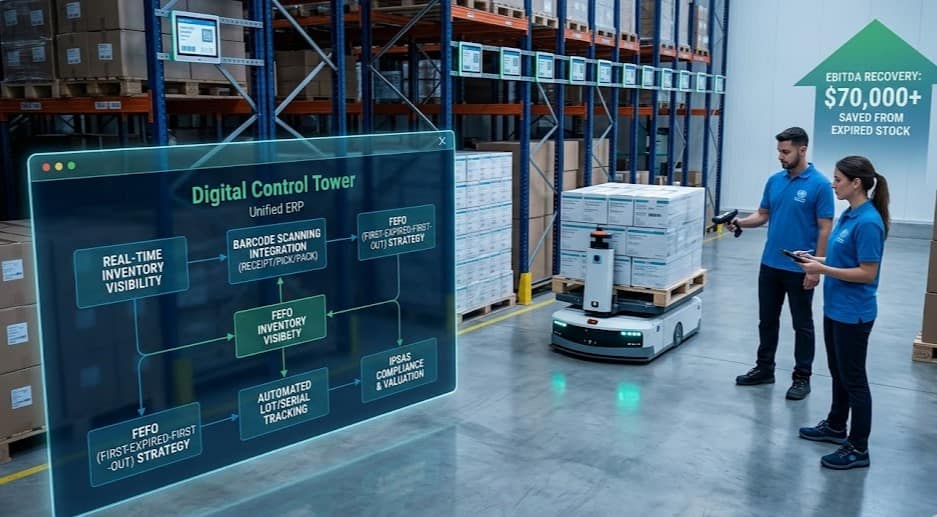


Inventory management may not be the most glamorous aspect of running a business, but it is undoubtedly one of the most critical. The ability to efficiently and effectively manage inventory can make or break a company’s bottom line. And in today’s fast-paced, tech-driven world, keeping up with inventory demands can be a challenging task.
That’s where digital transformation comes in. By leveraging technology, companies can streamline their inventory processes, improve accuracy, and reduce costs. The future of inventory management lies in embracing the power of digital transformation.
In this blog post, we’ll explore how digital transformation is shaping the future of inventory management. We’ll dive into the benefits of implementing digital systems, including the ability to automate processes, improve data accuracy, and increase efficiency.
We’ll also discuss the challenges companies may face when adopting new inventory management technologies, such as integrating with existing systems and ensuring data security. Finally, we’ll look at some of the emerging trends in inventory management, such as the use of sensors and the Internet.
Automation of Inventory Management Processes
The automation of inventory management processes represents a transformative change that is revolutionizing how businesses manage their stock. Traditionally, inventory management has been a manual and time-consuming process. With automation, however, businesses can significantly reduce inventory excess and material waste, while ensuring that they always have the right products in stock.
Automation also reduces the dependence on skilled workers, which is increasingly crucial with the ongoing skills gap in the job market. Small manufacturers stand to benefit the most from inventory management automation. They can streamline their operations, freeing up time and resources to focus on value-adding activities.
Furthermore, automation provides small manufacturers with real-time visibility into their inventory levels, giving them a competitive advantage in today’s fast-paced business environment. By embracing the power of digital transformation, businesses can enjoy increased efficiency, cost savings, and improved customer service.
Utilizing Artificial Intelligence and Predictive Analytics
Utilizing artificial intelligence (AI) and predictive analytics is one of the key components of digital transformation in inventory management. In today’s business world, inventory excess and material waste are major factors that can negatively impact a company’s bottom line. However, AI and predictive analytics can help reduce these costs by predicting future demand and optimizing inventory levels accordingly.
Additionally, these technologies can also help small manufacturers with limited resources optimize their production schedules by utilizing data-driven insights to reduce material waste and effectively allocate skilled workers.
The integration of AI and predictive analytics in inventory management is the future of the industry, and companies that embrace these technologies will gain a competitive edge in the marketplace.
Improved Accessibility and Visibility of Inventory Data
Digitization has been a major driver of transformative processes in various industries and inventory management is no exception.
In recent years, businesses have been grappling with the challenge of inventory excess and material waste, which in turn leads to financial losses. The power of digital transformation can help address these challenges through improved accessibility and visibility of inventory data.
By integrating digital systems such as inventory management software, real-time updates on inventory levels, stock movements, and alerts on stock shortages can be accessed remotely. This new level of visibility enhances the efficiency of inventory management as businesses can take proactive measures to prevent stockouts and reduce the risk of overstocking. This also eliminates the need for skilled workers and allows small manufacturers to implement cost-effective inventory management practices, enabling them to compete with larger businesses.
Improved Collaboration with Suppliers and Customers
One of the most exciting opportunities of digital transformation in inventory management is improving collaboration with suppliers and customers. Collaborating with suppliers and customers can help companies to avoid inventory excess and material waste, while also improving supplier performance and reducing lead times.
Digital tools such as cloud-based platforms, communication tools, and application programming interfaces (APIs) can create a real-time flow of data that enables suppliers and customers to share information and updates about inventory levels, orders, and shipments. By collaborating with skilled workers and small manufacturers, companies can gain access to specialized manufacturing capabilities and reduce dependency on large-scale producers.
Embracing digital collaboration also promotes agility, as suppliers are better informed about inventory changes and can anticipate customer demand, leading to more accurate and efficient production plans. Overall, improved collaboration with suppliers and customers is a crucial trend in inventory management that can drive significant benefits for businesses.
Advanced Security Measures to Protect Inventory Data
As we enter into the digital age, advanced security measures are becoming increasingly important to protect inventory data. Inventory excess, material waste, and the need for skilled workers are challenges that small manufacturers face every day. In this context, inventory data is a critical asset for businesses of all sizes, and protecting it has become a top priority.
Business owners must take proactive steps to secure their inventory data, including multi-factor authentication, regular data backups, and data encryption. These measures not only safeguard against external threats but also help prevent errors and mistakes caused by internal personnel.
By embracing the power of digital transformation and implementing advanced security measures, small manufacturers can reduce inventory excess, minimize material waste, and enhance the efficiency of their skilled workers, ultimately leading to better business outcomes.
Conclusions
In conclusion, digital transformation in inventory management has the potential to revolutionize the way businesses operate. Through the implementation of advanced technologies such as AI, IoT, and cloud computing, inventory processes can be streamlined and automated to increase efficiency and reduce costs.
The future of inventory management is about embracing this power of transformation and incorporating it into daily systems – from supply chain management to customer experience, to drive the innovation that will help businesses succeed in an ever-changing marketplace.
Business case: Discover how this case study can help optimize your inventory.
Ready to take action? Discover how our services can elevate your organization. Schedule a consultation by filling out the form, and one of our specialists will reach out to you shortly.
Join our community of like-minded enthusiasts and subscribe to our newsletter today for the latest trends, expert insights, and exclusive content delivered straight to your inbox. Be the first to know, learn, and grow with us.
Interested in spreading the word about your business or startup that helps companies be more efficient? Contact us!