
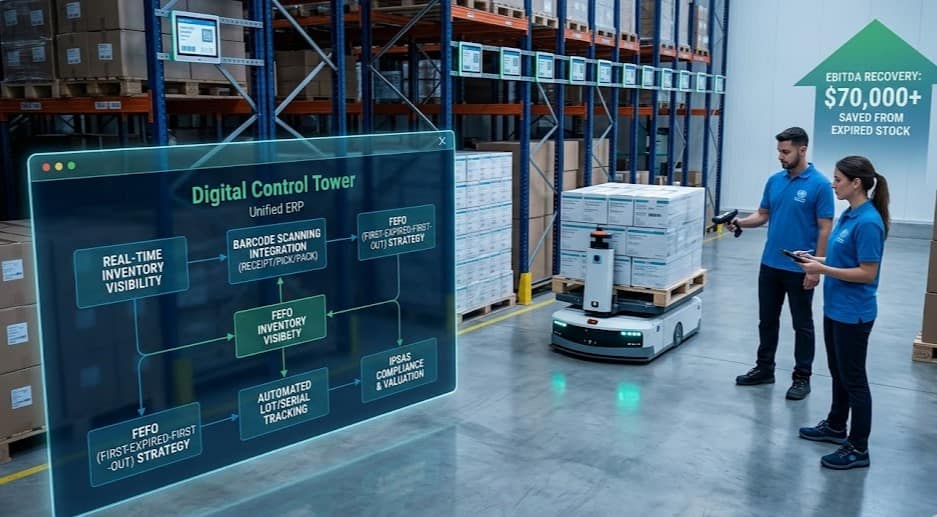


In today’s hyper-competitive global marketplace, manufacturers are under constant pressure to increase efficiency and reduce costs while maintaining the highest level of quality. The key to achieving these goals lies in streamlining processes and implementing innovative technologies that can enhance factory operations.
One such technology that has proven to be highly effective in this regard is simulation. By creating digital models that replicate complex manufacturing processes, simulation can provide manufacturers with valuable insights into their operations that were previously unattainable, helping them optimize their processes and drive cost savings.
In this blog post, we will discuss the increasingly important role that simulation is playing in factory operations and explore how it is transforming the manufacturing industry.
We will examine the benefits that simulation can offer, including improved productivity, reduced downtime, and increased accuracy in predicting outcomes. We will also explore the use of simulation in a range of manufacturing scenarios, from designing new production lines to optimizing existing ones.
Introduction to simulation and its role in factory operations
The use of simulation in factory operations has become increasingly popular in recent years due to its ability to streamline production processes and save costs. Simulation software enables the creation of virtual models of factory operations, providing an accurate representation of the production process.
By simulating the factory environment, production teams can identify potential bottlenecks, test different scenarios, and improve delivery time, overall equipment effectiveness (OEE), and other critical performance metrics. If you find this chapter of your interest, you can visit, learn and effectively implement the Overall Equipment Effectiveness (OEE) framework in your manufacturing operations.
The adoption of Lean manufacturing principles by small manufacturers is driving the interest in simulation as it allows for faster decision-making and enables the optimization of production processes to increase efficiency and reduce waste. As such, simulation is playing an increasingly crucial role in the success of modern factory operations.
Benefits of using simulation to streamline processes and identify bottlenecks
Simulation is rapidly transforming the way factory operations are carried out and for good reason. Integrating simulation tools into your processes allows you to streamline your operations, identify bottlenecks, and address inefficiencies, ultimately reducing production costs, and improving delivery time and Overall Equipment Effectiveness (OEE). This technology has been shown to be highly successful in various industries, including Lean manufacturing and even small manufacturers.
In addition, simulation can help optimize production teams, allowing them to work together more seamlessly and effectively. By simulating different production scenarios, you can quickly and easily identify the best course of action to take for your operation, which will help increase your bottom line and help your business stay competitive in a constantly evolving market.
Cost savings associated with simulation technology and its impact on the bottom line
One of the most significant advantages of simulation technology in factory operations is the cost savings it provides. By simulating production processes and identifying potential bottlenecks, businesses can optimize their operations to increase efficiency and reduce waste. This translates to significant savings in terms of delivery time and productivity.
With improved Overall Equipment Effectiveness (OEE), organizations can produce more products in less time with fewer resources, thus reducing costs and increasing profits.
Furthermore, simulation technology can help train production teams on Lean manufacturing practices, which can result in more efficient use of machinery and materials. Small manufacturers with limited budgets can also benefit from simulation technology, as it allows them to identify and address potential issues without costly trial and error.
By streamlining processes and reducing costs, simulation technology is transforming factory operations for businesses of all sizes.
Future trends and advancements in simulation technology for factory operations
The future looks bright for advancements in simulation technology for factory operations. One promising area that could help streamline processes and save costs is the use of simulation to optimize delivery time.
By simulating various scenarios and analyzing the data, manufacturers can better understand the impact of different variables on delivery times and make informed decisions to improve efficiency.
Another area of potential improvement with simulation technology is Overall Equipment Effectiveness (OEE). By simulating and tracking key performance indicators, manufacturers can identify and address inefficiencies in real time, leading to increased uptime and improved OEE.
Simulation can also help production teams optimize their workflow, particularly with the implementation of Lean manufacturing principles. By simulating the production line and analyzing the data, manufacturers can identify opportunities for improvement and make adjustments accordingly, such as reducing processing time, simplifying tasks, and eliminating waste.
Most simulation tools are typically geared toward large manufacturers. However, with the advancements in technology, small manufacturers can also reap the benefits of simulation by using affordable and user-friendly tools that can help optimize their operations.
Discover how our tailored operations management services can help you improve the operational performance of your organization.
Conclusion
In conclusion, simulation software is proving to be a powerful tool for improving factory operations. By enabling companies to model complex processes, optimize them, and test new ideas without having to physically change anything on the plant floor, these tools can not only streamline operations but also save costs and reduce risk.
As we continue to see advances in machine learning and artificial intelligence, simulation will likely play an even larger role in factory operations in the years to come. Ultimately, companies that embrace these tools and use them to make data-driven decisions will be better positioned to succeed in a rapidly changing industrial landscape.
At UPKAIZEN, we understand that every manufacturing business is unique and faces its own set of challenges. That’s why we offer personalized consultations to help optimize your operations and increase your bottom line. Discover how our tailored operations management services can help you improve the operational performance of your organization.
We cordially invite you to schedule an appointment with us. We understand the value of your time and aim to ensure that every moment spent with us is productive and efficient.
Operational Excellence Community
Join our community of like-minded Operational Excellence enthusiasts and subscribe to our newsletter for the latest trends, expert insights, and exclusive content delivered straight to your inbox. Let’s connect, explore and discover excellence in every step.
Interested in spreading the word about your business or startup that helps companies be more efficient? Contact us!