




In today’s fast-paced business world, a company’s success often hinges on its ability to manage inventory efficiently and effectively. Digital inventory management systems have revolutionized the way businesses track stock, streamline processes, and boost profitability.
By replacing traditional manual processes with digital technology, companies can save time, reduce costs, and improve customer satisfaction. With the increasing complexity of today’s supply chains, it’s no wonder that more and more businesses are turning to digital inventory management solutions to gain a competitive edge.
This blog post will explore the many ways in which companies can maximize efficiency and profitability with digital inventory management. We will examine the key features and benefits of these systems, as well as provide practical tips and advice for implementing them in your own business.
Whether you’re a small start-up or a large multinational corporation, digital inventory management has the potential to transform your operations and give you the edge you need to succeed in today’s market.
1. Automate inventory tracking and replenishment
Automating inventory tracking and replenishment is a key strategy for maximizing efficiency and profitability in your business. By leveraging digital inventory management systems, companies can better understand their inventory levels in real time and mitigate the costs associated with inventory excess, material waste, and the need for skilled workers to manually track and replenish supplies.
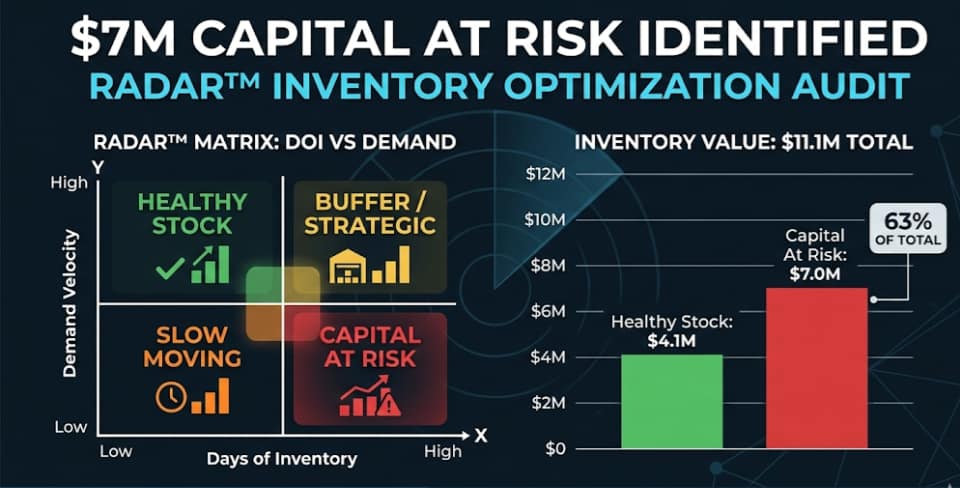
With streamlined inventory management, businesses can save time and money, improve accuracy, and reduce the risk of lost or misplaced inventory. In addition to tracking inventory levels, digital inventory management systems can also help with forecasting inventory needs, minimizing stockouts and overstocks, and identifying opportunities for cost savings and waste reduction.
Overall, automating inventory tracking and replenishment is a smart investment for any business looking to boost efficiency and profitability while minimizing waste and costs.
2. Monitor inventory in real time
One of the most significant benefits of digital inventory management is the ability to monitor inventory levels in real time. By implementing a reliable inventory management system, businesses can avoid inventory excess and material waste, while ensuring that there are enough supplies to keep operations running smoothly.
Real-time inventory monitoring enables businesses to track inventory levels, review demand trends and streamline the entire process of ordering and receiving goods. This not only helps reduce material waste and excess but also ensures that skilled workers are utilized more efficiently, with less time spent managing inventory and more time spent on high-value tasks.
By maximizing efficiency and minimizing waste, businesses can optimize profitability and achieve long-term success.
3. Utilize data analysis tools to improve stock management
One of the keys to maximizing efficiency and profitability in inventory management is utilizing data analysis tools. By doing so, companies can identify trends and areas for improvement that would otherwise go unnoticed.
Specifically, using data analysis to track inventory levels can help prevent inventory excess and reduce material waste. Additionally, it can be used to identify areas in which skilled workers can be utilized more effectively, ultimately leading to a more productive and cost-effective workforce.
By analyzing data, companies can make informed decisions and implement targeted strategies to reduce waste, increase efficiency, and ultimately increase profitability.
4. Streamline communication between departments
One of the biggest challenges businesses face is poor communication between departments. This can result in inventory excess, material waste, and a lack of skilled workers in certain areas.
By streamlining communication between departments using digital inventory management tools, businesses can ensure everyone has the information they need to make informed decisions. For example, production teams can see what inventory is available and what materials are needed, while finance teams can use this information to better manage budgets and prevent excess spending. This not only minimizes inventory excess and material waste but also ensures that skilled workers are used efficiently and in the areas where they are needed most.
Ultimately, streamlining communication between departments leads to maximized efficiency and profitability for the business.
5. Reduce waste and expenses associated with manual inventory management
Digital inventory management has revolutionized the way businesses operate, by reducing waste and expenses associated with manual inventory management. Manual inventory management leaves room for errors and can result in inventory excess and material waste, leading to significant financial losses over time. Furthermore, it requires a large workforce of skilled workers, which adds to the overall expenses.
On the other hand, digital inventory management systems automate the inventory tracking process, providing real-time data on inventory levels and enabling better control of material usage, leading to reduced wastage.
Additionally, these systems require less manual labor, cutting costs associated with salaries and employee training. By adopting digital inventory management, businesses can significantly improve their bottom line by saving money and becoming more efficient.
Discover how our tailored operations management services can help you digitize and improve the operational performance of your organization.
Conclusion
In conclusion, digital inventory management tools enable businesses to streamline operations, minimize human error, and optimize profitability.
By keeping track of inventory levels in real-time, businesses can easily determine when to reorder products and avoid stockouts. They can also analyze sales trends and adjust their inventory accordingly, reducing waste and maximizing efficiency.
With the right digital inventory management system in place, businesses can save time, cut costs, and ultimately, achieve greater success.
Contact us
At UPKAIZEN, we understand that every manufacturing business is unique and faces its own set of challenges. That’s why we offer personalized consultations to help optimize your operations and increase your bottom line.
We cordially invite you to schedule an appointment with us. Or simply leave us a message should you have any questions. We understand the value of your time and aim to ensure that every moment spent with us is productive and efficient.