
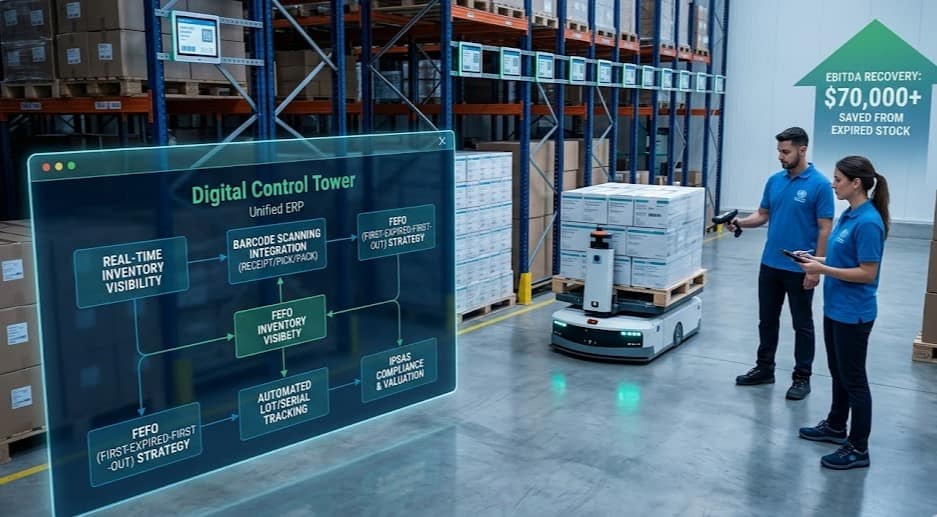


In today’s competitive business landscape, maximizing efficiency and minimizing waste are key factors in ensuring success. One often overlooked area where companies can make significant strides in these areas is in their inventory management processes. By implementing Lean Inventory Techniques, organizations can optimize their inventory levels, streamline their supply chain, and ultimately reduce costs.
The concept of Lean Inventory is rooted in the Japanese manufacturing philosophy of “just-in-time” production, which emphasizes producing and delivering goods only when they are needed, eliminating waste in the process. The goal of Lean Inventory Techniques is to create a leaner, more efficient supply chain by reducing excess inventory, improving inventory accuracy, and continually evaluating and refining processes.
But implementing Lean Inventory Techniques can be a daunting task, especially for companies with established inventory management systems. In this blog post, we will examine some of the key principles and strategies involved in Lean Inventory Management, highlighting practical tips and best practices for implementing these techniques in your organization.
Discover how this training program will help you eliminate manufacturing waste and transform the performance of your organization.
1. Identifying areas for improvement in inventory management
Inventory management is critical to the success of any business, whether it’s a large manufacturer or an SME in the United States. One of the key goals of lean inventory techniques is to identify areas for improvement in inventory management to maximize efficiency and minimize waste. This involves evaluating different aspects of inventory turnover, including lead times, order frequency and size, and excess inventory.
By implementing lean inventory strategies, businesses can streamline their inventory management processes and improve overall efficiency. This can result in cost savings, improved customer satisfaction, and increased profitability.
Manufacturers and SMEs that invest in optimizing their inventory management practices will be better positioned to succeed in today’s highly competitive business environment.
2. Establishing inventory accuracy
Establishing inventory accuracy is a fundamental component of effective inventory management. Inaccurate inventory levels can result in overstocking, causing additional costs and waste, or stockouts, leading to lost sales and dissatisfied customers.
Manufacturing SMEs in the United States are increasingly seeking to improve inventory turnover rates and decrease waste through the implementation of lean inventory techniques.
By establishing accurate inventory levels through regular cycle counting and reconciling discrepancies, businesses can improve their supply chain efficiency and minimize waste. Consistent and reliable inventory data also allows manufacturers to make informed purchasing decisions and optimize their production processes.
Overall, establishing inventory accuracy is a key step toward maximizing efficiency and minimizing waste in any inventory management system.
3. Implementing just-in-time inventory
Implementing just-in-time inventory is one of the most effective ways to improve inventory management for Small and Medium Enterprises (SMEs) in the United States. This lean inventory technique entails keeping inventory levels as low as possible without sacrificing production or service quality. Just-in-time inventory helps reduce waste and excess inventory, leading to improved cash flow and inventory turnover.
The manufacturer only produces items or orders material when it’s needed, hence, making it an efficient way to manage inventory. To implement just-in-time inventory, proper planning, scheduling, and communication between suppliers, manufacturers, and customers is required.
Daily monitoring of inventory levels is also crucial to ensure that supplies arrive at the right time and to prevent any stock-out situations. With these techniques, SMEs can improve their operations and achieve better inventory management, leading to higher productivity and profitability.
4. Utilizing automation for tracking inventory
Utilizing automation for tracking inventory is an essential component of an effective inventory management system. Automated tools and software solutions can help SMEs (small and medium-sized enterprises) in the United States to maintain accurate and up-to-date inventory records, reduce lead times, enhance inventory turnover, and minimize wastage.
Automation can help manufacturers and retailers track inventory levels, reorder products in a timely manner, and optimize the levels of stock they keep on hand. Accurate inventory data is essential for decision-making in the supply chain, from production planning to sales forecasting.
By implementing robust inventory management systems, organizations can improve their operational efficiency, reduce costs associated with stock-outs or overstocking, and free up staff resources to focus on other areas of the business. In short, automation is a key component of lean inventory techniques and can help businesses of all sizes to streamline their operations and master efficient inventory management.
5. Scheduling regular inventory reviews
Scheduling regular inventory reviews is a crucial component of effective inventory management, and is one of the top lean inventory techniques to maximize efficiency and minimize waste.
Inventory turnover is a key factor in determining the success of a manufacturer or SME, and the United States boasts some of the highest inventory turnover rates in the world. However, without proper inventory management strategies in place, excess inventory and waste can easily accumulate.
By scheduling regular inventory reviews, businesses can identify slow-moving items, eliminate excess inventory, and make data-driven decisions to optimize their inventory levels. This not only minimizes waste but also maximizes efficiency and profitability in the long run.
You can also visit and explore our customized training programs for companies to help your work teams improve organizational performance.
Conclusions
In conclusion, implementing lean inventory techniques can lead to significant benefits for businesses, including increased efficiency and profitability through minimized waste. By focusing on improving processes, reducing inventory, and using real-time data, businesses can optimize their inventory management practices and ensure they are meeting customer demands while avoiding overstocking.
It may require time, effort, and initial investment, but the long-term benefits and cost savings make it a worthwhile endeavor for any business looking to scale and streamline its operations.
We cordially invite you to schedule an appointment with us. Or simply leave us a message should you have any questions. We understand the value of your time and aim to ensure that every moment spent with us is productive and efficient.
Operational Excellence Enthusiasts
???? Join our community of like-minded Operational Excellence enthusiasts and subscribe to our newsletter for the latest trends, expert insights, and exclusive content delivered straight to your inbox. Let’s connect, explore and discover excellence in every step. ????
???? Interested in spreading the word about your business or startup that helps companies be more efficient? Contact us!