
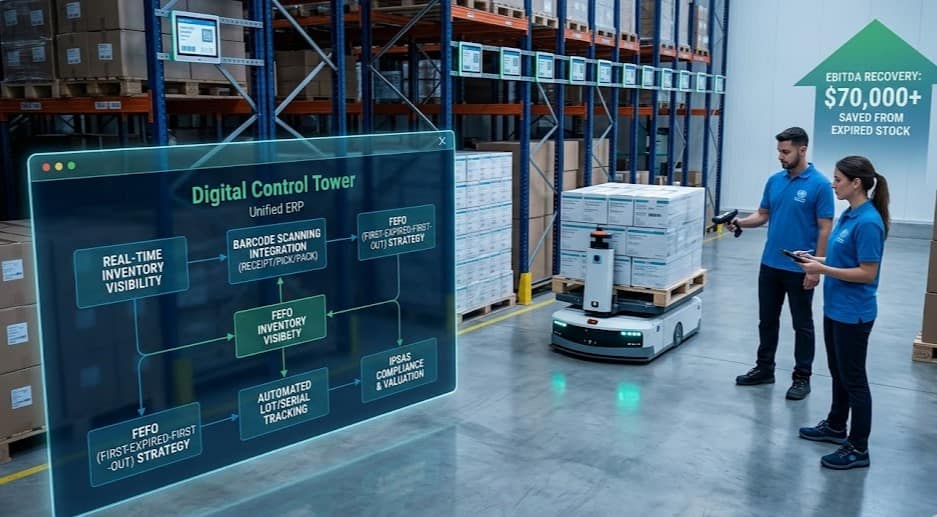


In today’s business climate, the focus on sustainability has become paramount. One of the key ways that companies can reduce their carbon footprint and promote sustainability is through smart inventory management practices. Lean inventory management is a strategy that businesses can use to reduce waste, optimize resources, and ultimately drive business success.
In this blog post, we will explore how lean inventory management can help companies turn waste into value, leading to greater profitability and increased sustainability. We will delve into the benefits of lean inventory management, including reducing excess inventory, improving delivery times, and increasing production efficiency.
We will also examine the strategies and tools companies should use to optimize their inventory management practices, such as controlling inventory levels, tracking demand patterns, and implementing just-in-time inventory management.
Ultimately, this blog post offers a comprehensive guide to understanding how lean inventory management can drive your business’s success, while also helping you achieve your sustainability goals.
Understanding the Purpose of Lean Inventory Management
One of the key principles of lean manufacturing is lean inventory management. Lean inventory management is an approach that focuses on minimizing inventory levels to only include what is necessary to maintain production and meet customer demand.
The purpose of lean inventory management is to reduce manufacturing waste and improve overall efficiency by cutting down on excess inventory. Lean tools such as pull systems, just-in-time inventory, and kanban are often employed to create an inventory management system that allows for rapid responses to changing customer demand while minimizing the cost of carrying inventory.
This approach can lead to significant cost savings and help drive business success in the long term by freeing up capital that can be used to invest in other areas of the business. Overall, adopting lean inventory management can help manufacturers create a more efficient and sustainable business model that is better able to respond to changing market conditions.
Discover how our tailored Lean Process Improvement Services will help you improve the operational performance of your organization.
Outlining the Benefits of Lean Inventory Management
Effective inventory management is a crucial aspect of any successful business. However, traditional methods of inventory management often lead to excessive inventory, including obsolete or excess inventory which is a drag on the business.
Using lean tools to drive inventory management processes enables businesses to streamline operations, reduce manufacturing waste, and maximize cost savings. Lean inventory management involves implementing processes to optimize inventory management, accurately forecast demand, and eliminate inefficiencies that waste time, resources, and money.
By embracing lean inventory management, businesses can reduce production costs and increase efficiency, freeing up resources to invest in growth opportunities. Overall, the benefits of lean inventory management are vast and extend beyond merely improving inventory management practices. It’s a strategy that enhances overall business success and drives measurable results, in the long term.
Identifying the Key Elements of Lean Inventory Management
Lean Inventory Management is an essential approach to ensuring operational efficiency and cost savings for any manufacturing business. In today’s dynamic market, inventory management remains a top priority in driving business success.
Firms can achieve lean inventory management by identifying the key elements of implementing a lean approach. It is crucial to understand that lean tools are fundamental in reducing manufacturing waste and increasing productivity. Focusing on inventory, a lean inventory management approach prioritizes inventory reduction while aiming to maintain a minimum inventory level to meet customer demands.
By adopting lean inventory management, companies have witnessed significant improvements in areas such as lead time and inventory turn rates. Such improvements ensure efficient resource utilization and in turn, cost savings for firms.
Implementing Strategies to Achieve Lean Inventory Management Goals
Implementing strategies to achieve lean inventory management goals is crucial for businesses looking to drive success and profitability. By utilizing lean tools such as value stream mapping and continuous improvement, companies can reduce manufacturing waste and unnecessary inventory.
Lean inventory management is a proven approach that focuses on improving efficiency through the management of inventory levels in a way that balances supply and demand. This can result in significant cost savings, as businesses are able to minimize inventory costs while simultaneously increasing the speed of production and improving customer satisfaction.
Discover how our tailored operations management services can help you improve the operational performance of your organization.
By working to identify and eliminate inefficiencies within their inventory processes, businesses can maximize the value of their production and operational processes. Ultimately, businesses that adopt lean inventory management strategies will be able to see improved efficiency, reduced waste, and increased profitability.
Measuring the Impact of Lean Inventory Management on Business Performance
The measurement of the impact of lean inventory management on business performance is vital for any organization in pursuit of cost savings, reduced manufacturing waste, and overall improvement in efficiencies. Businesses with lean inventory management systems have effectively leveraged lean tools to optimize inventory levels and minimize waste in their operations. As a result, lean inventory management has become a crucial aspect of optimizing business performance.
With the implementation of lean inventory management, manufacturing companies have witnessed a significant reduction in costs associated with storing, producing, and transporting excess inventory. Furthermore, it has helped to prevent overproduction and minimize the possibility of stock shortages.
The results and benefits of lean inventory management can be measured effectively by analyzing cost savings, reduction in inventory levels increases in efficiencies, and overall improvements in manufacturing processes. Overall, lean inventory management has proved to be an effective strategy for businesses looking to optimize their operations and drive sustainable growth.
In conclusion, lean inventory management practices have proven to create value for businesses and increase overall success. Companies that prioritize waste reduction and continuous improvement will reap the benefits of lower carrying costs, increased efficiency, and a more streamlined supply chain.
By embracing lean principles, organizations can create more nimble, resilient operations that can adapt to changing market conditions and customer demand. In today’s competitive business world, implementing lean inventory management is more important than ever to stay ahead of the curve and drive long-term success.
At UPKAIZEN, we understand that every manufacturing business is unique and faces its own set of challenges. That’s why we offer personalized consultations to help optimize your operations and increase your bottom line.
We cordially invite you to schedule an appointment with us. Or simply leave us a message should you have any questions. We understand the value of your time and aim to ensure that every moment spent with us is productive and efficient.