
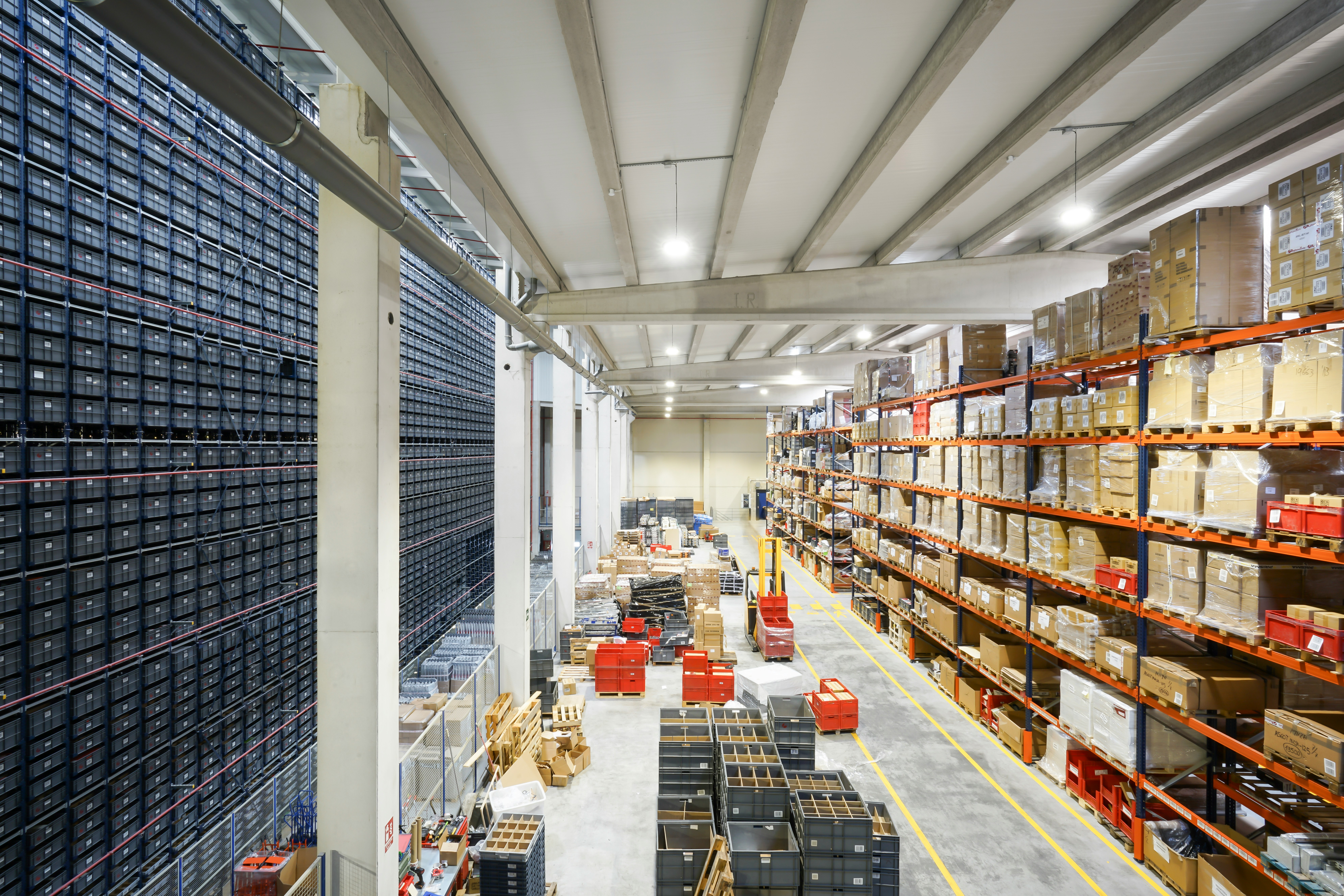
Excess inventory and material waste are silent killers of profitability in manufacturing. They tie up capital, consume valuable warehouse space, and increase the risk of obsolescence. For production directors and operations managers, optimizing inventory isn’t just about counting stock; it’s about streamlining the entire flow of materials to reduce costs and enhance efficiency. UPKAIZEN specializes in helping manufacturing SMEs achieve this by transforming operational challenges into tangible ROI.
Here are key strategies to drastically reduce excess stock and minimize waste in your production environment:
1. Implement Just-In-Time (JIT) Principles for Raw Materials
Just-In-Time (JIT) aims to produce or procure only what is needed, when it is needed, and in the quantity needed. For raw materials, this means working closely with suppliers to reduce lead times and increase delivery frequency, minimizing the need for large buffer stocks. While full JIT can be complex, even partial implementation can yield significant savings.
Actionable Tip: Identify your highest-volume raw materials. Work with their suppliers to reduce minimum order quantities (MOQs) and explore more frequent, smaller deliveries. This requires strong supplier relationships and clear communication.
2. Optimize Work-In-Process (WIP) Inventory
Work-In-Process (WIP) refers to materials that are in various stages of completion on the production floor. Excessive WIP leads to clutter, longer lead times, and increased risk of damage or obsolescence. Reducing WIP improves flow, highlights bottlenecks, and frees up valuable floor space.
Actionable Tip: Implement a “pull system” where production at one stage only begins when the next stage signals it needs material. Use Kanban cards or visual signals to limit the amount of WIP between workstations.
3. Conduct a Regular Obsolete Inventory Audit
Over time, slow-moving or obsolete inventory accumulates, becoming a dead asset that incurs carrying costs (storage, insurance, taxes) without generating revenue. Regularly identifying and dealing with this “dead stock” is crucial for freeing up capital and space.
Actionable Tip: Establish a clear process for identifying obsolete inventory (e.g., no movement in 6-12 months). Develop a disposition plan (return to supplier, sell at discount, scrap). Implement root cause analysis to prevent future obsolescence (e.g., improve forecasting, adjust purchasing policies).
By systematically applying these strategies, manufacturing SMEs can drastically reduce inventory waste and excess stock, directly impacting their cash flow and increasing overall profitability. UPKAIZEN provides the practical expertise to guide manufacturers through these transformations, ensuring measurable results within months.
Ready to transform your operations?
Contact us today to schedule your consultation session and take one more step towards operational excellence.
Subscribe To Our Newsletter
Join our community of like-minded Operational Excellence enthusiasts and subscribe to our newsletter for the latest trends, expert insights, and exclusive content delivered straight to your inbox. Let’s connect, explore and discover excellence in every step.