


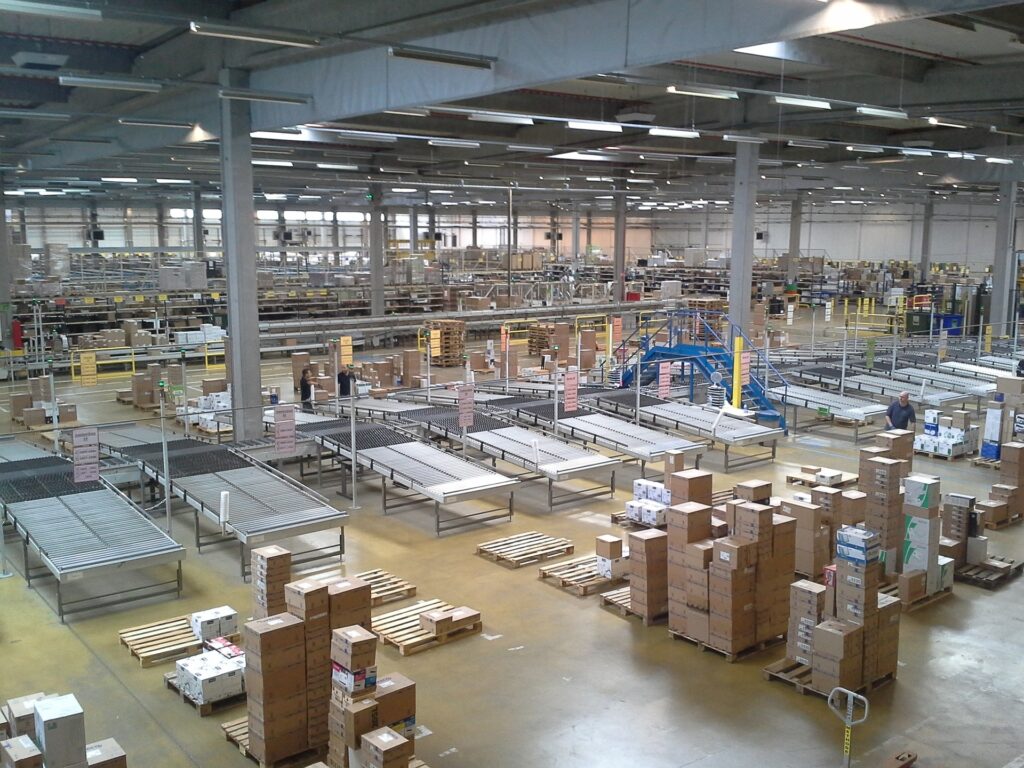
As a business owner or manager, you may be looking to expand your operations and consider constructing a new warehouse. However, one of the key considerations you will need to make is how much space you will need for your new warehouse. Getting this right will be crucial if you want to optimize your storage capacity and ensure your operations run smoothly.
There are a number of factors that will determine how much space you need for your new warehouse, including the type of business you are running, the quantity and nature of the goods you will need to store, and the type of storage equipment you plan to use.
Additionally, you will need to factor in any future expansion plans and how much additional space you may need as your business grows. Not taking all of these elements into consideration could lead to a poorly designed warehouse that lacks the capacity to handle all of your storage needs effectively. In this blog post, we will explore the different factors that impact how much space you need for a new warehouse.
1. Assess your current inventory and future growth projections to determine how much space you will need.
When considering the space needed for a new warehouse, it is essential to assess your current inventory and future growth projections. This evaluation is essential as it determines how much space you require, taking into account any changes in product features, demand, and growth projections.
As you plan your warehouse layout, consider how to maximize available space to optimize storage potential. Make sure your shelving system is the right size and type for your products, and your forklift can quickly move stock throughout the warehouse. Vertical space is also an essential factor to consider, as it can significantly increase the available storage capacity.
Make sure to strategically plan the use of vertical space to take advantage of this potential. In summary, it is crucial to take an inventory of your current situation and assess future growth potential when determining how much space you need for a new warehouse.
Discover how our tailored operations management services can help you improve the operational performance of your organization.
2. Take into account the different types of products you will store and their storage requirements
When planning a new warehouse, it is important to take into account the different types of products that will be stored and their unique storage requirements. This is critical for determining the overall layout of the warehouse, the types of forklifts required, and the type of shelving system that will be used.
In addition, consideration should also be given to the vertical space available to store these products, which can help maximize the overall storage capacity of the warehouse. Specific product features such as size, weight, fragility, and safety requirements should also be taken into consideration when designing the warehouse layout and selecting the appropriate storage solutions.
By carefully considering these factors, you can optimize your warehouse space and ensure that your products are stored safely and efficiently.
3. Consider the layout of the warehouse, including the number and size of storage racks and aisles needed.
When planning for a new warehouse, one of the critical factors that must be considered is the layout of the facility. The layout affects the efficiency of the warehouse operation, including the movement of goods, workers, and forklifts. As such, it is crucial to carefully plan the layout, taking into account the number and size of storage racks and aisles needed, as well as the use of a proper shelving system for the products being stored.
Vertical space must also be taken into account as it can affect the handling and storage of products. Additionally, the layout should consider the product features, such as the size, weight, and fragility of the merchandise to ensure that the shelving system and warehouse layout can handle the products. Proper consideration of the layout can enhance the productivity of the warehouse operation and contribute to overall business success.
4. Factor in office space, loading dock space, and other areas necessary for your business operations.
Determining the amount of space you’ll need for a new warehouse is a crucial phase when planning to expand your business operations. The layout of your warehouse will influence how efficiently your staff can perform their duties, so make sure to factor in office space, loading dock space, and other areas necessary for your business operations.
You’ll also need to consider the vertical space of your warehouse, which means taking into account the forklift height clearance, shelving system, and the weight of the products you’ll be storing. The vertical space of your warehouse makes a significant impact on how much your warehouse can store.
Furthermore, you need to take into account the product dimensions and product features, such as temperature or humidity control requirements. All these considerations, along with other factors unique to your business, when combined, can help you accurately determine the required space for your new warehouse.
5. Consult with a professional warehouse space planner or real estate agent to help you make an informed decision on the amount of space you need.
When considering opening a new warehouse, it can be challenging to determine exactly how much space you need to accommodate all of your products and equipment.
A professional warehouse space planner or real estate agent who specializes in industrial properties can offer valuable advice and expertise in this area. These professionals can assess your specific needs and provide recommendations for the optimal layout of your warehouse, including the necessary floor area, forklift dimensions, and shelving system design. They can also help you evaluate the use of vertical space and identify any special product features that may impact your space requirements.
Ultimately, consulting with a professional can help you make a well-informed decision and ensure that your warehouse is efficient and tailored to your unique needs.
In conclusion, determining how much space you need for a new warehouse can be a complex process that requires careful consideration of a variety of factors such as the type of products you’ll be storing, inventory levels, and anticipated growth.
However, by working with a knowledgeable team of logistics experts, you can develop a warehouse solution that meets your current business needs while allowing room for future expansion. With the right planning and guidance, your new warehouse can be an essential asset for your business’s success.
At UPKAIZEN, we understand that every manufacturing business is unique and faces its own set of challenges. That’s why we offer personalized consultations to help optimize your operations and increase your bottom line.
We cordially invite you to schedule an appointment with us. We understand the value of your time and aim to ensure that every moment spent with us is productive and efficient.