
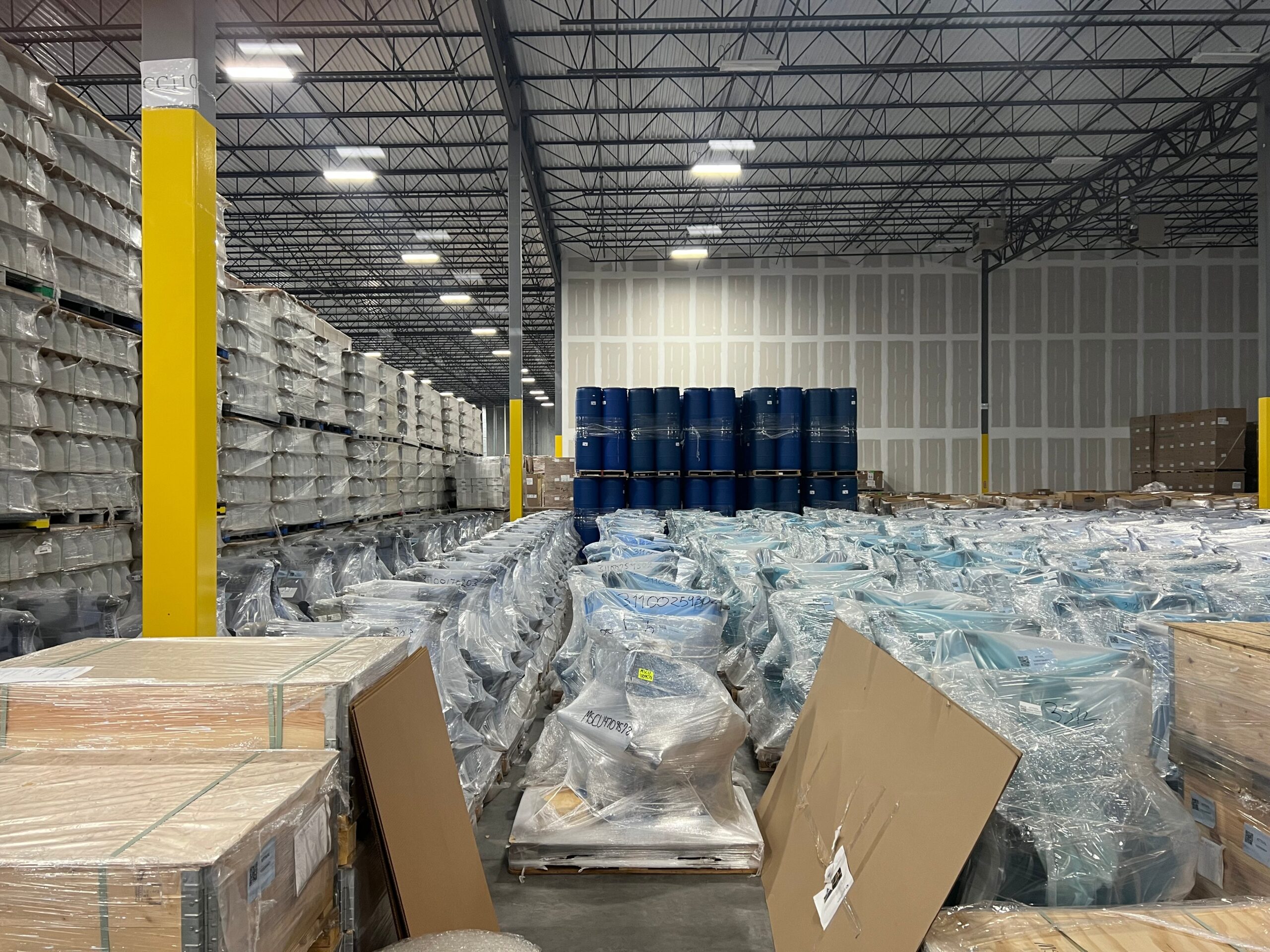


In the high-stakes world of industrial turnarounds, there is no greater deception than the “favorable” variance report. Walk into a distressed precision machining or Food & Beverage (F&B) plant, and you will often find a management team celebrating a “green” dashboard while the CFO is quietly losing sleep over a looming payroll shortfall. This phenomenon is known as the Absorption Trap, and it is the primary reason why strategic intentions fail to translate into tangible liquidity.
Traditional mass-production accounting, established over a century ago, was designed to manage stable, high-volume environments where labor was a variable cost and fixed overhead was a relatively small portion of the total. In 2026, where specialized labor is a fixed necessity and automation carries massive depreciation costs, this system has become an engine of cash destruction.1
The Accounting Illusion: Creating Profits from Thin Air
Have you ever wondered why your variance report says you’re “efficient” but you can’t meet your short-term debt obligations? The culprit is the logic of full absorption costing. In these systems, fixed overhead (rent, utilities, management salaries, machine depreciation) is “absorbed” by every unit produced.
When a plant overproduces, it spreads those fixed costs across more units, lowering the “cost per part” in the books. On the Income Statement, this appears as a “favorable volume variance,” which increases reported Gross Margin and EBITDA.3 However, as noted in the OECD Compendium of Productivity Indicators 2025, while multifactor productivity gains are expected from AI and automation, they have yet to materialize in economy-wide statistics. Instead, many manufacturers are using overproduction to mask structural inefficiencies.
Plant managers love this accounting illusion because it makes their performance look stellar on paper. But it is a dangerous lie: you are spending real cash on materials, energy, and labor to create inventory that no one ordered—literally “kidnapping” your liquidity and hiding it in warehouse hallways.
The Cost of “Favorable” Variances: Kidnapped Cash
For a mid-sized Food & Beverage processor or precision machining job shop, the financial impact of the Absorption Trap is quantifiable and severe. In a typical distressed turnaround scenario, we find mid-sized firms with over $2.4 million immobilized in Work-in-Progress (WIP) and finished goods inventory.5
According to Eurostat, industrial production for non-durable consumer goods (such as food products) increased by 4.9% annually as of late 2025. While this signals demand, it also increases the pressure on working capital. If your plant is over-absorbing costs by producing 110% of demand to hit an “efficiency” target, you are draining cash to support a 10% inventory build-up that may physically spoil before it is sold.
In the UPKAIZEN framework, we reverse this logic. We recognize that an “unfavorable” volume variance is often the healthiest signal a plant can send if it means the machines stopped because the customer didn’t need the product. We prioritize Cash Conversion Cycle (CCC) over Overhead Absorption.
Variance Analysis: The Plant-to-Balance Sheet Bridge
For a turnaround expert, Variance Analysis is the technical language that translates shop floor glitches into dollars. It is the tool of “management by exception,” allowing the C-Suite to focus only on the deviations that truly impact the bottom line. In 2026, the transition to the Lean Management Accounting is no longer optional; it is the only way to align financial reporting with modern lean execution.
To bridge the gap, we focus on two critical technical variances:
1. Material Usage Variance
This measures the difference between the actual quantity of materials used and the standard quantity expected for production.
Material Variance = (AQ * AP) – (SQ * SP)
In F&B manufacturing, an unfavorable material variance is a “red alert” for yield loss, spoilage, or poor incoming quality from suppliers. This is a direct drain of cash that can never be recovered.
2. Labor Efficiency Variance
This reveals whether your processes are taking longer than the standard, forcing unnecessary and expensive overtime pay. The importance of this metric cannot be overstated in the current labor market. According to the U.S. Bureau of Labor Statistics, unit labor costs in the total manufacturing sector increased 2.0% in the second quarter of 2025, driven by persistent productivity gaps. If your efficiency variance is unfavorable, your cash disbursements for payroll are spiking without a corresponding increase in shippable, invoiceable goods.2
The UPKAIZEN Solution: Real-Time Audits vs. Monthly Post-Mortems
Most accounting departments report variances 15 to 30 days after the month ends. For a firm in a liquidity crisis, a 30-day delay is a “post-mortem” analysis of why the company failed. UPKAIZEN implements Flux Analysis and real-time variance monitoring.
We audit these variances daily. We look for the real efficiency that releases cash—achieved through methodologies like SMED and OEE stabilization—not the accounting efficiency that merely fills the warehouse.
- OEE Integration: We link the OEE formula directly to the variance report. If OEE is 95.2%, your labor and material variances should be favorable. If they aren’t, your “standards” are a fiction, or your sensors are lying.6
- System Pull Logic: We enforce strict inventory limits. If the hallways start filling up with WIP, we force a machine stop. This creates an “unfavorable” absorption report but a “favorable” cash flow position.
Conclusion: Stop Measuring Busy-ness, Start Measuring Liquidity
The era of “deck-only” consulting that rewards departmental silos and theoretical efficiency is dead. To survive the volatility of 2026, you must stop being an administrator of historical reports and become a Financial Operator.
The success of a turnaround is measured by the 13-Week Cash Flow, not a spreadsheet-manufactured EBITDA. You must demand that your finance and operations teams speak the same language: the language of execution-driven results. The CFO must stop looking at EBITDA in isolation and start looking at the millions of dollars in Working Capital trapped in the “hallways” of overproduction.
Stop presenting. Start executing. Drive liquidity from the floor.
Ready to Break the Absorption Trap?
Don’t let your plant’s “efficiency” bankrupt your business. If your plant floor isn’t hitting the 95.2% OEE or +30% throughput targets required for modern solvency, your liquidity is at risk.
- Audit Your True Profitability: Explore our Systemic Approach to turn shop floor efficiency into balance sheet liquidity.
- Master Lean Accounting: Schedule a session and build a team that understands the link between OEE and the 13-week cash flow.
- Fix your Fundamentals: Contact UPKAIZEN to begin your 90-day roadmap to excellence.