


Resumen Ejecutivo
In modern manufacturing and distribution ecosystems, shop-floor excellence is meaningless if finished products cannot reach customers on time, undamaged, and within target cost structures. Supply chain fulfillment is not merely a downstream shipping function; it is the strategic bridge connecting demand planning with customer retention and working capital optimization.
An unoptimized fulfillment strategy leads to warehouse bottlenecks, inflated expedited freight fees, and capital tied up in slow-moving inventory (stock sin vender). At UPKAIZEN, we assist executive leadership in re-engineering distribution networks through Lean architecture, lead-time compression, and cross-functional alignment to safeguard net operational margins (EBITDA).
Customer-Centric Fulfillment: Strategic Segmentation vs. One-Size-Fits-All
The most common failure in fulfillment management is enforcing a rigid “one-size-fits-all” logistics policy across an entire client base.
1. Segmenting Customers by Service Profile
Not every customer segment requires next-day delivery or bespoke packaging. Offering unrequested high-cost services (over-servicing) to low-margin accounts severely degrades operational profitability.
- Service Matrix: Group accounts by volume, delivery criticality, and lead-time flexibility.
- Tailored Fulfillment: Establish differentiated Service Level Agreements (SLAs) that protect margins while maintaining target On-Time In-Full (OTIF) execution standards, aligned with frameworks from the Association for Supply Chain Management (ASCM/APICS).
Cross-Functional Alignment & S&OP Integration
Effective fulfillment cannot operate in a departmental silo; it requires continuous integration between Sales, Operations, Procurement, and Finance.
┌────────────────────────────────────────────────────────┐
│                   S&OP PLANNING FLOW                   │
│  [ Sales / Demand ]   ──► [ Inventory / Warehouse ]    │
│             │                       │                  │
│             ▼                       ▼                  │
│  [ Plant Operations ] ──► [ Fulfillment / Client ]     │
└────────────────────────────────────────────────────────┘
2. Leveraging Sales & Operations Planning (S&OP)
Integrating S&OP routines eliminates organizational silos and synchronizes shop-floor output with real market demand velocity:
- Eradicating SKU Proliferation: Regularly audit product rotation to discontinue low-margin SKUs that consume valuable warehouse rack space.
- Mapping Network “Bookends”: Evaluate the complete fulfillment link between upstream supplier lead times and downstream customer delivery windows.
- For an in-depth breakdown of eliminating transport and handling waste, read our technical guide on Cost Reduction Within Your Transport Using Kaizen Principles.
Optimizing the Distribution Network & Eliminating Handling Waste
3. Minimizing Product Touchpoints
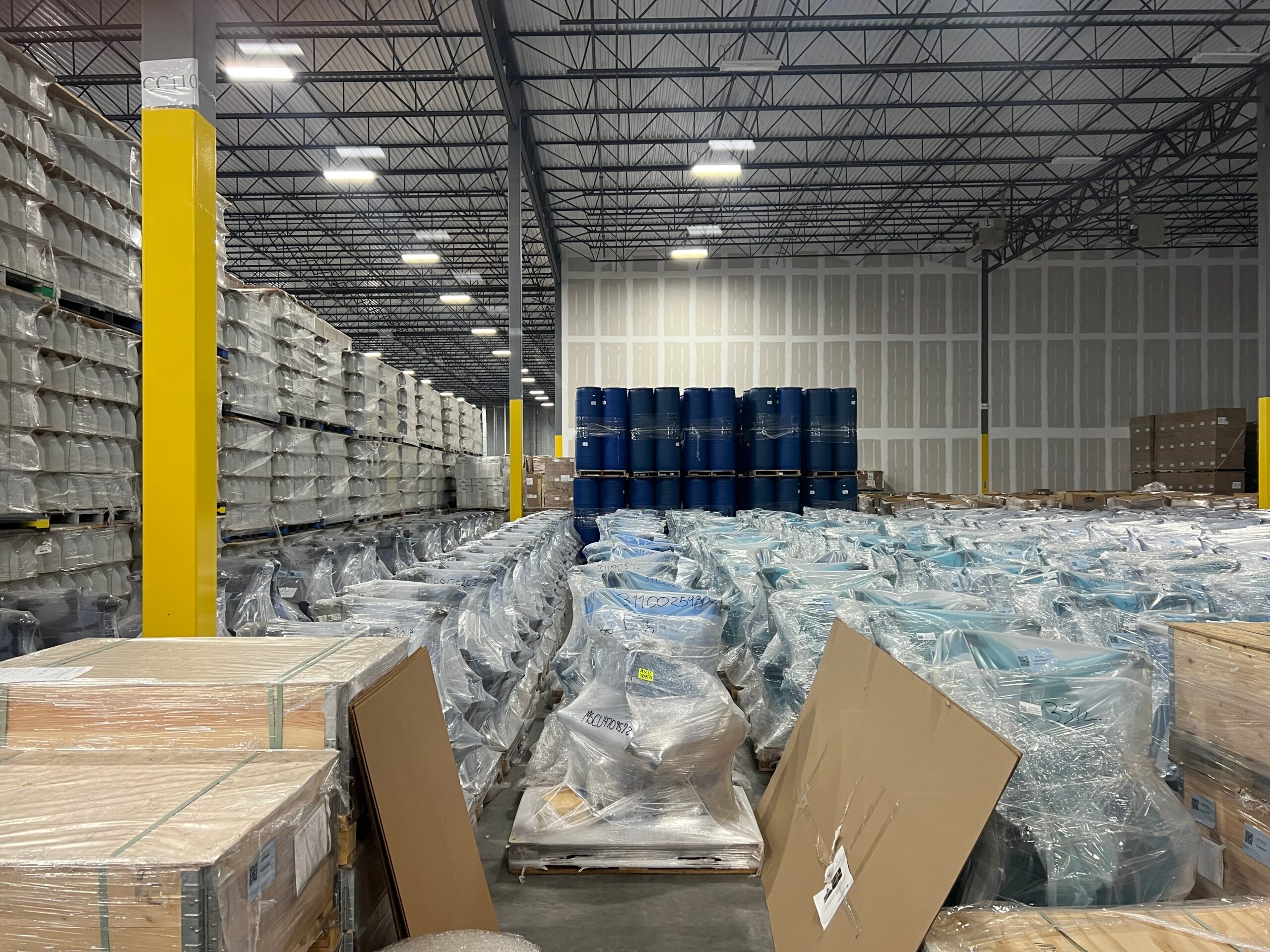
Every time a product is moved, restacked, or manually inspected within a distribution center, handling costs increase and the risk of product damage multiplies.
- Flow-Through Layouts: Design cross-docking zones and optimized picking paths to eliminate unnecessary travel distance.
- Lead-Time Analysis: Establish optimal supplier replenishment cycles considering both fixed and variable transit costs, in accordance with the Council of Supply Chain Management Professionals (CSCMP).
4. Technology Integration & Real-Time Data Visibility
Replacing manual spreadsheets with an integrated ERP/WMS platform is essential for rapid decision-making in modern fulfillment. Real-time inventory tracking prevents stock-outs while avoiding bloated safety stock buffers.
🧱 Audit Your Fulfillment & Supply Chain Performance in 5 Minutes
Unmanaged fulfillment bottlenecks quietly drain cash flow through bloated WIP, emergency freight fees, and extended lead times.
Implementar el UPKAIZEN Análisis de Oportunidades de Manufactura—an interactive 5-minute diagnostic to benchmark your Cash, Margin, and Capacity drivers.
Seeking fractional executive leadership or supply chain transformation? Explore our Operations Management & Fractional COO Services.
Conclusión
Supply chain fulfillment is not an inevitable cost center—it is a strategic engine for margin expansion and competitive differentiation. By enforcing customer segmentation, S&OP discipline, and touchpoint waste elimination, your organization turns fulfillment operations into a sustainable driver of bottom-line growth.