
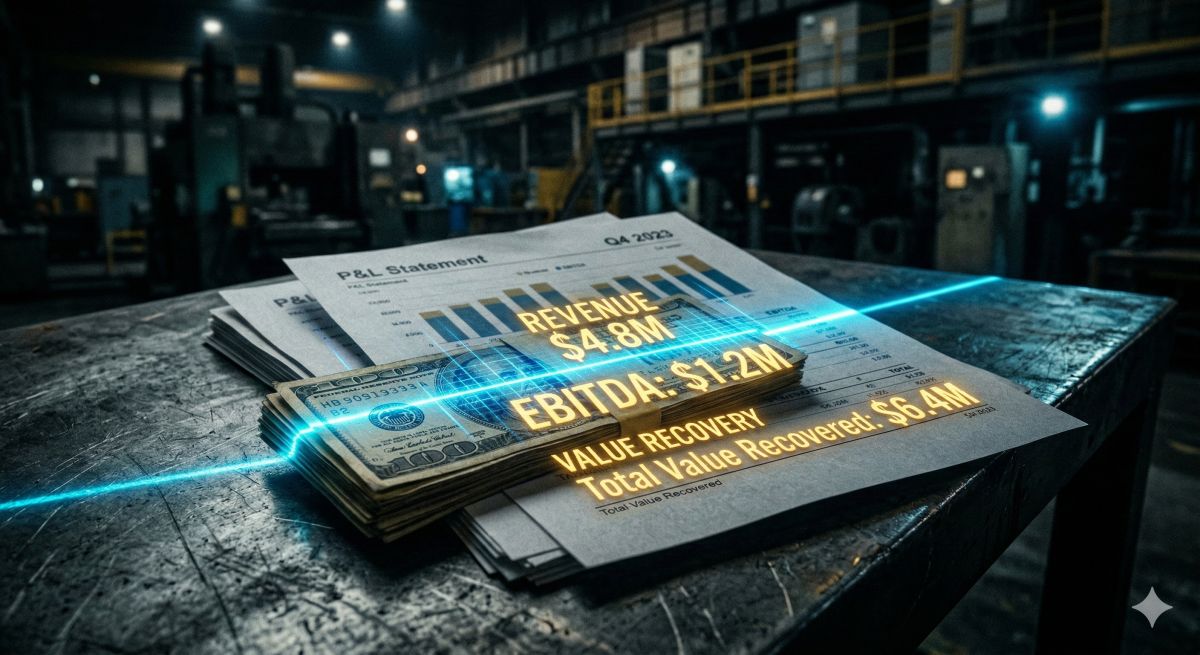

La gestión de inventarios no es un ejercicio teórico; es un proceso operativo crítico que determina directamente el EBITDA y la salud del flujo de caja de una empresa. Cuando el inventario permanece estancado, representa capital no asignado y desperdicio operativo (MudaPara optimizar los recursos, mitigar la volatilidad de la cadena de suministro y reducir sistemáticamente los costos de mantenimiento, los líderes del mercado reemplazan las suposiciones con marcos estructurales de ingeniería Lean.
Las empresas de fabricación y cadena de suministro más exitosas del mundo construyen resiliencia competitiva integrando herramientas Lean en sus operaciones principales. Estos mecanismos ofrecen un enfoque basado en datos para identificar cuellos de botella en los procesos y capturar márgenes ocultos.
Esta auditoría corporativa describe las siete herramientas Lean vitales necesarias para diseñar un modelo de inventario optimizado y de alta velocidad.
¿Quieres aislar las ineficiencias en tu flujo de trabajo operativo? Explora nuestros diagnósticos industriales profesionales a través del Escaneo UPKAIZEN RADAR™.
1. Kanban – Control Visual de Procesos
Kanban es un marco de programación dinámico diseñado para imponer un control visual sobre las plantas de producción y los búferes de inventario. Lejos del simple seguimiento de tareas, el Kanban de grado industrial actúa como un sistema de tracción en vivo que regula el flujo de materiales basándose en el consumo real aguas abajo en lugar de en previsiones volátiles.
Mediante la implementación de señales visuales en tiempo real, las empresas sincronizan la adquisición de materiales con las demandas reales de la línea. Esta estricta regulación elimina la acumulación de stock de seguridad, impulsa las tasas de rotación de inventario y hace aflorar los cuellos de botella operativos antes de que causen retrasos en los plazos de entrega.
2. Justo a tiempo (JIT) – Eliminación del muda por almacenamiento
El sistema Just-in-Time (JIT) o Justo a Tiempo es una metodología logística rigurosa diseñada para equilibrar el suministro exactamente con la demanda del cliente. Bajo un modelo JIT estructurado, los componentes se entregan en el entorno de producción solo cuando se necesitan, minimizando el espacio de almacenamiento y reduciendo los costos generales de manipulación de materiales.
El objetivo fundamental del JIT es maximizar la velocidad del capital llevando los niveles de inventario hacia cero. Esta exposición del exceso de existencias obliga a las operaciones a resolver los desequilibrios de producción subyacentes. Cuando se ejecuta con alta precisión, el JIT mitiga los riesgos de depreciación del inventario y libera el capital de trabajo retenido directamente de vuelta a las reservas de efectivo de la empresa.
3. Gestión de la Calidad Total (TQM) – Prevención de defectos en el origen
La Gestión de la Calidad Total (TQM) es una filosofía operativa integral que se centra en la integración continua de la calidad en cada fase de la cadena de valor. En términos de la gestión de la cadena de suministro (SCM), los defectos en la calidad de los materiales son una fuente masiva de desperdicio operativo, lo que genera reprocesos no programados, devoluciones de clientes y costos de desperdicio.
Al establecer estrictos parámetros de calidad en la etapa de materia prima, la gestión de la calidad total (TQM) garantiza que la variación se elimine desde el principio. Esta fiabilidad sistémica aumenta la rotación de inventario, estabiliza los plazos de entrega y protege estructuralmente los resultados financieros frente a disputas de clientes y responsabilidades de garantía que erosionan los márgenes.
4. Mapeo del Flujo de Valor (VSM) – Ingeniería de Flujo de Materiales e Información
El mapeo del flujo de valor es una herramienta de ingeniería diagnóstica esencial que se utiliza para visualizar y cuantificar todo el ciclo de vida de un producto, desde la llegada de la materia prima hasta la entrega final al cliente.
Un VSM técnico rastrea tanto el movimiento físico del inventario como el flujo de información que lo desencadena. Al identificar los "tiempos de permanencia" —períodos en los que el inventario permanece inactivo sin recibir transformaciones que aporten valor—, los directivos de operaciones pueden mapear los cuellos de botella, agilizar los plazos de entrega y optimizar la eficiencia sistémica de los activos.5. Seis Sigma – Varianza y erradicación de defectos
Seis Sigma es una metodología altamente disciplinada y basada en datos, enfocada en minimizar la variación de los procesos y eliminar defectos para lograr una perfección casi estadística. Desarrollado para refinar procesos de fabricación complejos, su rigor matemático es crucial para los conjuntos de datos de inventario modernos.
Al implementar herramientas de análisis de causa raíz, los gestores de la cadena de suministro aíslan y neutralizan las variables que interrumpen la precisión de la planificación de inventarios. La eliminación de estas fluctuaciones en los procesos internos permite a las empresas reducir de forma segura los umbrales de seguridad, estabilizar los plazos de entrega y proteger su EBITDA de las variaciones operativas ocultas.
6. Poka-Yoke – A prueba de errores en los sistemas operativos
Poka-Yoke implica diseñar mecanismos simples a prueba de fallos directamente en los procesos operativos para prevenir errores humanos o mecánicos antes de que se manifiesten como defectos de productos o discrepancias de inventario.
La implementación de protocolos Poka-Yoke —como códigos de barras que bloquean envíos incorrectos en el almacén o sensores de peso en las líneas de montaje— detiene el desperdicio operativo en su origen. Este enfoque sistemático elimina la necesidad de costosas auditorías posteriores al proceso, minimiza las discrepancias en el recuento de inventario y garantiza un flujo fluido de materiales a través de las rutas de cumplimiento.
7. Organización del lugar de trabajo 5S: Mejora de la eficiencia del rendimiento
La metodología 5S es una técnica de organización industrial diseñada para maximizar la productividad en el lugar de trabajo mediante la ingeniería de un entorno operativo estandarizado, seguro y transparente. La metodología ejecuta cinco pasos secuenciales: Clasificar, Ordenar, Limpiar, Estandarizar y Sostener.
En las redes de distribución y centros de cumplimiento, el sistema 5S acelera directamente los ciclos de clasificación y recolección. La eliminación de las áreas de almacenamiento desorganizadas reduce los tiempos de búsqueda, disminuye los riesgos de extravío de materiales y refuerza las normas en el lugar de trabajo que optimizan el rendimiento humano y de los equipos.
Amplíe su caja de herramientas operativa: del inventario al Kaizen total en la planta
Optimizar el inventario es solo una capa de la eliminación de residuos. Para lograr la verdadera excelencia operativa y maximizar los márgenes brutos, las herramientas Lean deben integrarse en toda su cadena de valor, desde los flujos de trabajo en el taller hasta los mecanismos de control de calidad.
Descubre cómo eliminar sistemáticamente los 7 desperdicios operativos mortales en nuestra guía principal de ingeniería: 7 herramientas Kaizen para reducir el desperdicio operativo y mejorar los procesos Lean .
Conclusiones
Implementar herramientas Lean profesionales en su marco de inventario no es una opción; es un requisito económico para salvaguardar la rentabilidad corporativa. La transición de suposiciones no verificadas a un control operativo basado en datos permite a las empresas modernas proteger el flujo de caja, reducir los márgenes operativos y asegurar el dominio del mercado a largo plazo.
Si estás listo para superar los conceptos teóricos y optimizar sistemáticamente las operaciones internas de tu empresa, da el paso definitivo.
Únete a la Red Operativa UPKAIZEN
Únase a nuestra comunidad de entusiastas con ideas afines y suscríbete a nuestro boletín hoy Recibe las últimas tendencias, opiniones de expertos y contenido exclusivo directamente en tu bandeja de entrada. Sé el primero en conocer, aprender y crecer con nosotros.