
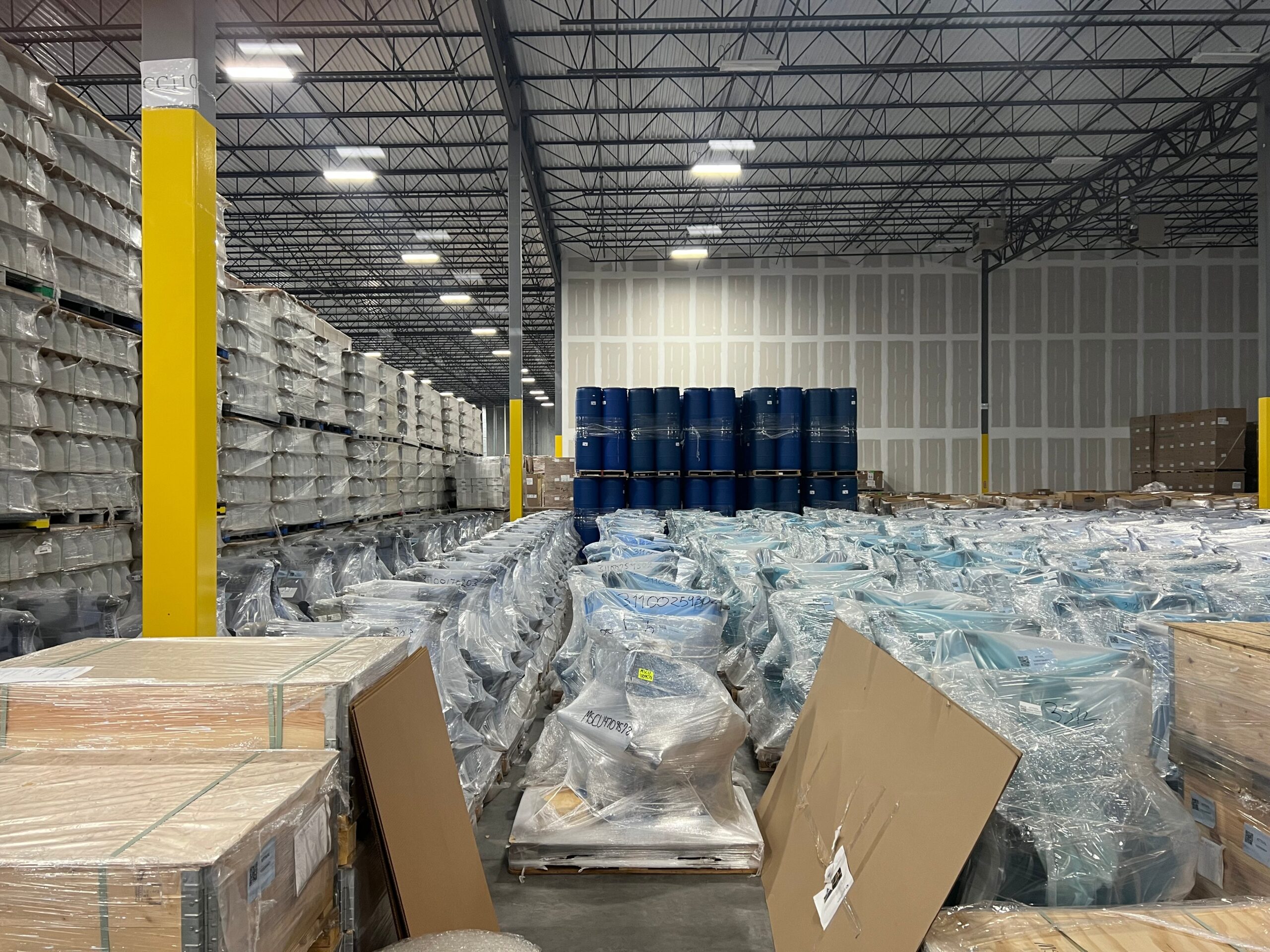


Maximizing warehouse efficiency is an important goal for many businesses. One key strategy for achieving this is through effective inventory management. However, managing inventory can be a complex process, especially considering the many variables at play, such as demand forecasting, lead times, safety stock, and more. That’s why adopting a lean inventory approach is becoming more and more popular among supply chain managers.
In this blog post, we’ll explore the art of lean inventory and how to optimize your warehouse by implementing this strategy. We’ll discuss the benefits of this approach, including reducing costs, improving customer satisfaction, and minimizing waste. Additionally, we’ll outline key principles and practices to follow, from using data to identify areas of improvement, to setting up efficient storage and replenishment systems, to collaborating with suppliers and customers for better inventory planning. Whether you’re working in a small warehouse or a large distribution center, learning your inventory can help you achieve your goals and stay competitive.
1. Identify excess inventory
To optimize your warehouse, it’s essential to identify excess inventory. Reducing inventory excess provides significant benefits to your business, including better cash flow management, improved space utilization, and lower operational costs. To identify areas of excess inventory, consider using kaizen tools such as value stream mapping, process flow analysis, and root cause analysis. Doing so can provide insight into areas of waste and inefficiency. Once excess inventory is identified, a fractional COO can help implement and maintain lean inventory practices. By implementing these lean inventory practices, you’ll be able to increase efficiency, reduce waste, and save costs while improving overall business performance.
2. Utilize Just-in-Time (JIT) principles
In the art of lean inventory management, one of the most effective principles to incorporate is Just-in-Time (JIT) inventory management. The concept behind JIT is simple: keep just enough inventory on hand to meet customer demand without keeping excess stock or inventory. JIT helps companies reduce the amount of waste caused by inventory excess and frees up money that can be invested elsewhere in the business. Implementing JIT requires a well-functioning and synchronized supply chain, which can be achieved through using kaizen tools and embracing a fractional COO model. This approach streamlines production, reduces lead times, and enables companies to stay agile and responsive to changing customer needs. By maintaining lean inventory through JIT principles, companies can optimize their warehouses and become more responsive to their customers and market trends.
3. Implement a cycle counting system
Implementing a cycle counting system is a crucial step in the art of lean inventory to optimize your warehouse. This system helps to keep track of inventory levels and significantly reduces the chances of inventory excess or stock-outs, both of which can lead to significant losses. Cycle counting is one of the kaizen tools that companies use to identify inefficiencies and continuously improve their inventory management systems. By setting a regular schedule for counting and tracking inventory, companies can detect variations in inventory levels and address them proactively. Additionally, fractional COOs use cycle counting to get real-time insight into their inventory and make informed decisions around purchasing, stocking, and order fulfillment. Overall, implementing a cycle counting system is a powerful technique to streamline warehouse operations, increase efficiency, and improve profitability.
4. Utilize technology to manage inventory
One of the key ways to optimize your warehouse’s inventory management is by utilizing technology to manage your stock. In today’s digital age, there are various software solutions that can effectively automate and streamline inventory management processes. By implementing such technology, you can quickly and easily track inventory levels, reduce waste and inventory excess, and manage your supply chain more efficiently. Additionally, kaizen tools can be used to implement Continuous Improvement (CI) initiatives throughout your warehouse and optimize inventory management processes. It’s also important to have a fractional COO (Chief Operating Officer) who can oversee the implementation of these technologies, as well as manage the inventory management processes on an ongoing basis. By embracing technology and efficient processes, you can minimize costs and maximize profitability while keeping inventory levels lean and optimized.
5. Utilize analytics to understand trends and patterns
One effective way to optimize your warehouse operations and eliminate inventory excess is to utilize analytics to understand trends and patterns in your inventory cycles. By examining data such as sales history, seasonality, and demand patterns, you can gain valuable insights into which products are in high demand and which are not. This enables you to make informed decisions about which products to keep in stock and which to reduce or eliminate. Utilizing kaizen tools such as value stream mapping and process flow analysis can also help identify areas of waste in your operations and enable you to streamline your inventory management processes. Additionally, fractional COOs can provide strategic guidance and support to help implement these lean inventory practices and optimize your overall warehouse operations. By incorporating these techniques, you can improve efficiency, reduce costs, and ultimately create a more profitable and sustainable business.
To sum up, understanding and implementing the art of lean inventory can be a game changer for your warehouse management practices. By following the principles of proper demand forecasting, reducing lead time, and adopting efficient inventory management techniques, you can significantly optimize your warehouse operations, minimize costs, and enhance customer satisfaction. With the help of technology and a data-driven approach, it’s possible to achieve a lean inventory system that enables you to respond to market changes quickly and stay ahead of the competition. Ultimately, the art of lean inventory is about finding a balance between demand and supply and creating a sustainable and profitable business for the long term.
Discover how our tailored Lean Process Improvement Services will help you improve the operational performance of your organization.
???? Ready to take action? Discover how our services can elevate your organization. Schedule a consultation by filling out the form, and one of our specialists will reach out to you shortly.
???? Join our community of like-minded Operational Excellence enthusiasts and subscribe to our newsletter for the latest trends, expert insights, and exclusive content delivered straight to your inbox. Let’s connect, explore and discover excellence in every step. ????