
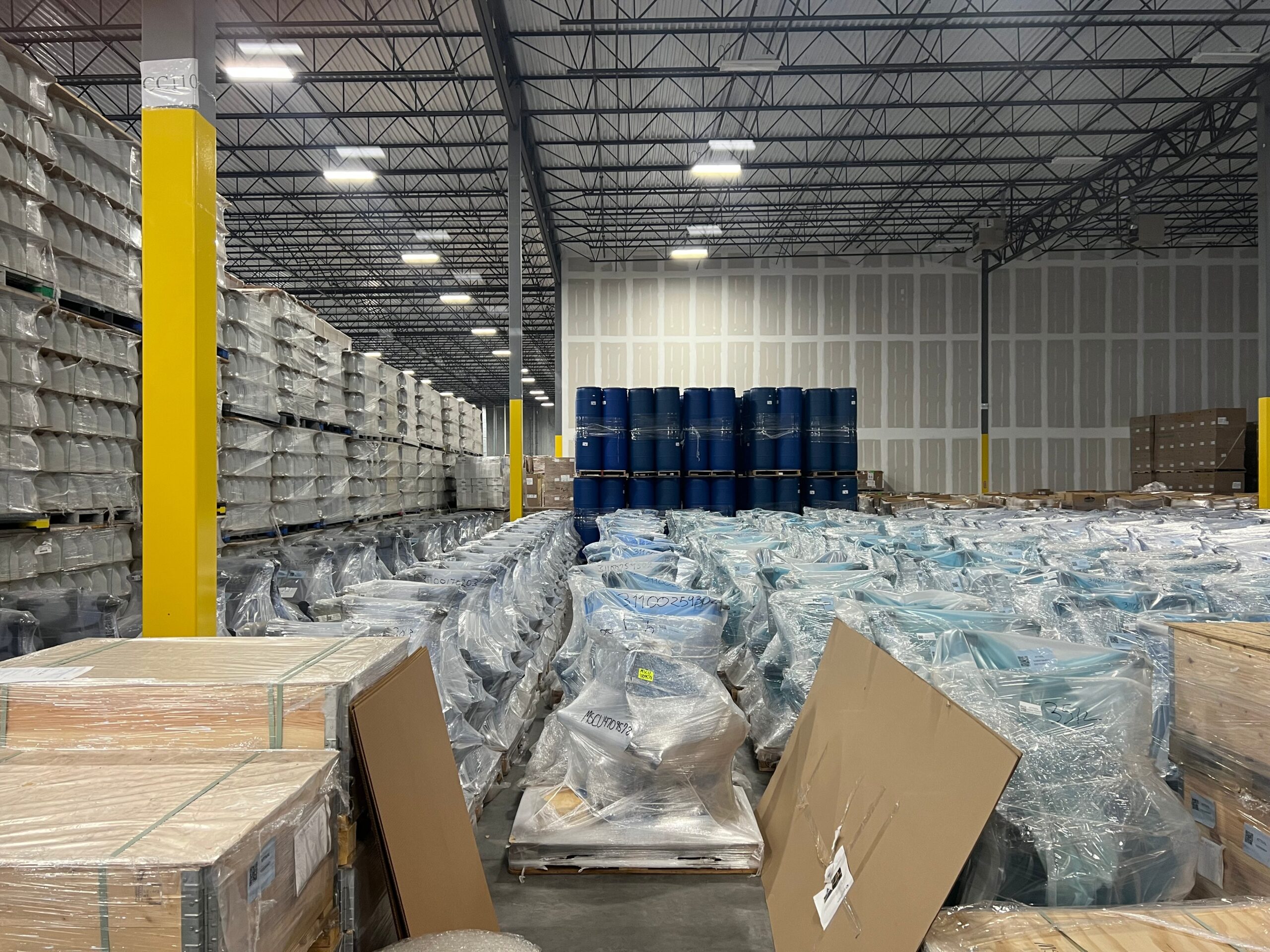


Managing inventory effectively is crucial for any business. Ensuring that you have sufficient stock for your customers while minimizing waste is key to achieving financial efficiency and maintaining healthy profit margins. However, finding the right balance between stocking just enough inventory to meet customer demand and avoiding over-purchasing can be challenging, especially for small businesses. Poor inventory management can lead to overstocked warehouses, wasted space, increased costs, and even loss of sales.
Luckily, there is a solution: lean inventory management. By implementing a lean approach to inventory, businesses can optimize their stock levels and increase their profitability. In this blog post, we will explore the benefits of lean inventory management, some key strategies for implementing it, and ways to measure its success. Whether you are just starting out with a small business or looking to improve your inventory management practices, you will find valuable insights in this post. Read on to discover how you can achieve lean inventory and take your business to the next level.
1. Analyze your inventory to identify areas of excess
In order to achieve lean inventory for your business, the first step is to analyze your current inventory in order to identify areas of excess. This excess could come in the form of material excess from over-ordering, obsoletes, or even stockout from underestimating demand. This analysis should aim to detect inefficiencies in your inventory management practices and identify opportunities for improvement. One way to do this is through conducting an inventory audit, which involves a thorough examination of current stock levels, movement patterns, and the overall effectiveness of your inventory management system. By taking the time to analyze your inventory and identify areas of excess, your business can optimize its inventory levels, improve efficiency, and ultimately save money.
2. Prioritize products for inventory optimization
One of the most important steps in achieving lean inventory for your business is to prioritize your products for inventory optimization. This involves analyzing and categorizing your product inventory to determine which items are experiencing material excess, obsoletes, or negative cash flows. This is necessary to identify which products are causing the most financial losses and preventing you from operating at maximum efficiency. Additionally, taking inventory audits and forecasting customer demand can help prevent stockouts, ensuring that you have the right amount of inventory on hand to meet customer needs. By prioritizing products for inventory optimization, you can minimize material excess and obsoletes, reduce stockouts, and increase overall efficiency, which can lead to improved profitability for your business in the long term.
3. Implement forecasting models to predict future demand
One effective way to achieve lean inventory management for your business is to implement forecasting models to predict future demand. This can help prevent material excess and obsoletes, as well as stockouts that can result in lost sales and decreased customer satisfaction. By accurately forecasting demand, you can strategically plan your inventory levels and procurement processes, resulting in increased efficiency and profitability. It is important to regularly audit your forecasting models and adjust them as needed to ensure their accuracy and effectiveness in optimizing your inventory levels. Taking these steps can help your business move from being overstocked to optimized, with the right level of inventory to meet customer demand and maximize profits.
4. Develop replenishment programs to maintain optimal inventory levels
One of the key strategies to achieve lean inventory is to develop replenishment programs that maintain optimal inventory levels. Many businesses struggle with material excess, obsoletes, or stockouts due to a lack of effective inventory management practices. By implementing replenishment programs using data-driven approaches, businesses can improve efficiency and reduce waste. These programs can be tailored to address specific business needs and may include just-in-time (JIT) inventory or vendor-managed inventory (VMI) systems. Regular audits of inventory levels can identify any issues with inventory accuracy, which can then be addressed to further improve efficiency. Overall, developing replenishment programs is a critical step toward achieving lean inventory and maximizing profitability.
5. Monitor inventory performance to ensure consistency over time
Monitoring inventory performance is a critical step in achieving lean inventory for your business. Material excess, obsoletes, and stockout all impact the efficiency and profitability of your operations. By regularly auditing your inventory and tracking performance metrics, you can identify areas for improvement and take appropriate action. This includes identifying slow-moving items and excess inventory, preventing stockouts and backorders, as well as optimizing storage and order fulfillment processes. An effective inventory management system can help you streamline your operations, reduce material excess, and improve efficiency while ensuring that your inventory remains up-to-date and consistent over time.
Discover how this training program will help you eliminate manufacturing waste and transform the performance of your organization.
In conclusion, achieving lean inventory is a critical step in streamlining your business operations and maximizing profitability. It involves careful analysis of your supply chain, effective tracking of inventory levels, and taking a strategic approach to ordering and restocking. By implementing these best practices and investing in inventory management software, you can optimize your inventory levels and avoid overstocking. Ultimately, lean inventory management can lead to greater efficiency, improved customer satisfaction, and increased revenue for your business.
Ready to take action? Discover how our services can elevate your organization. Schedule a consultation by filling out the form, and one of our specialists will reach out to you shortly.
Join our community of like-minded Operational Excellence enthusiasts and subscribe to our newsletter for the latest trends, expert insights, and exclusive content delivered straight to your inbox. Let’s connect, explore, and discover excellence in every step.