

Kaizen Tools for Warehouse Management: Unleashing the Power of Continuous Improvement

Unlock the power of Kaizen in warehouse management: streamline processes, reduce waste, and drive profitability with continuous improvement techniques.
Latest Updates & Insights
Trusted by Operational Excellence Professionals
Project Manager, OSF Digital
"A Supply Chain Management Guru. The technical assessments developed with real-life scenarios are top-tier. I learned a lot through this framework."
CEO, Paadio Consulting
"A great place to learn and grow. The methodology provides exceptional service through deep knowledge and strategic empathy."
Founder & Editor-in-Chief, Technics Publications
"High-quality educational frameworks and products. An excellent educator and expert in Supply Chain Management."
Operations Professional, Manufacturing Sector
"Highly informative for understanding concepts from end to end. It provides great illustration of what supply chain and logistics is all about."
Logistics Expansion Director, International Trade & Retail.
"Very informative and provided the necessary tools to develop advanced skills and drive career improvement in operational excellence."
Connect with us
  Kaizen principles in warehouse management,

In an industry that relies heavily on efficiency and accuracy, warehouse management can be a daunting task. With constantly changing customer demands, fluctuating inventory levels, and ever-evolving technology, warehouse managers must continuously strive for improvement. This is where the concept of Kaizen, a Japanese philosophy of continuous improvement, comes into play.

By implementing Kaizen principles and tools in warehouse management, businesses can unleash the power of continuous improvement to increase productivity, reduce waste, and improve overall customer satisfaction.

Kaizen allows warehouse managers to identify inefficiencies and areas for improvement, and then implement small, incremental changes that lead to long-term benefits. Some examples of Kaizen tools for warehouse management include 5S, value stream mapping, visual management, and daily improvement meetings.

By using these tools, warehouse managers can streamline processes and workflows, reduce errors, and ultimately, drive greater profitability.

This blog post aims to delve deeper into the world of Kaizen and its practical applications in warehouse management, highlighting the key tools and techniques to improve your warehouse performance.

1. Utilizing Lean Techniques to Increase Efficiency

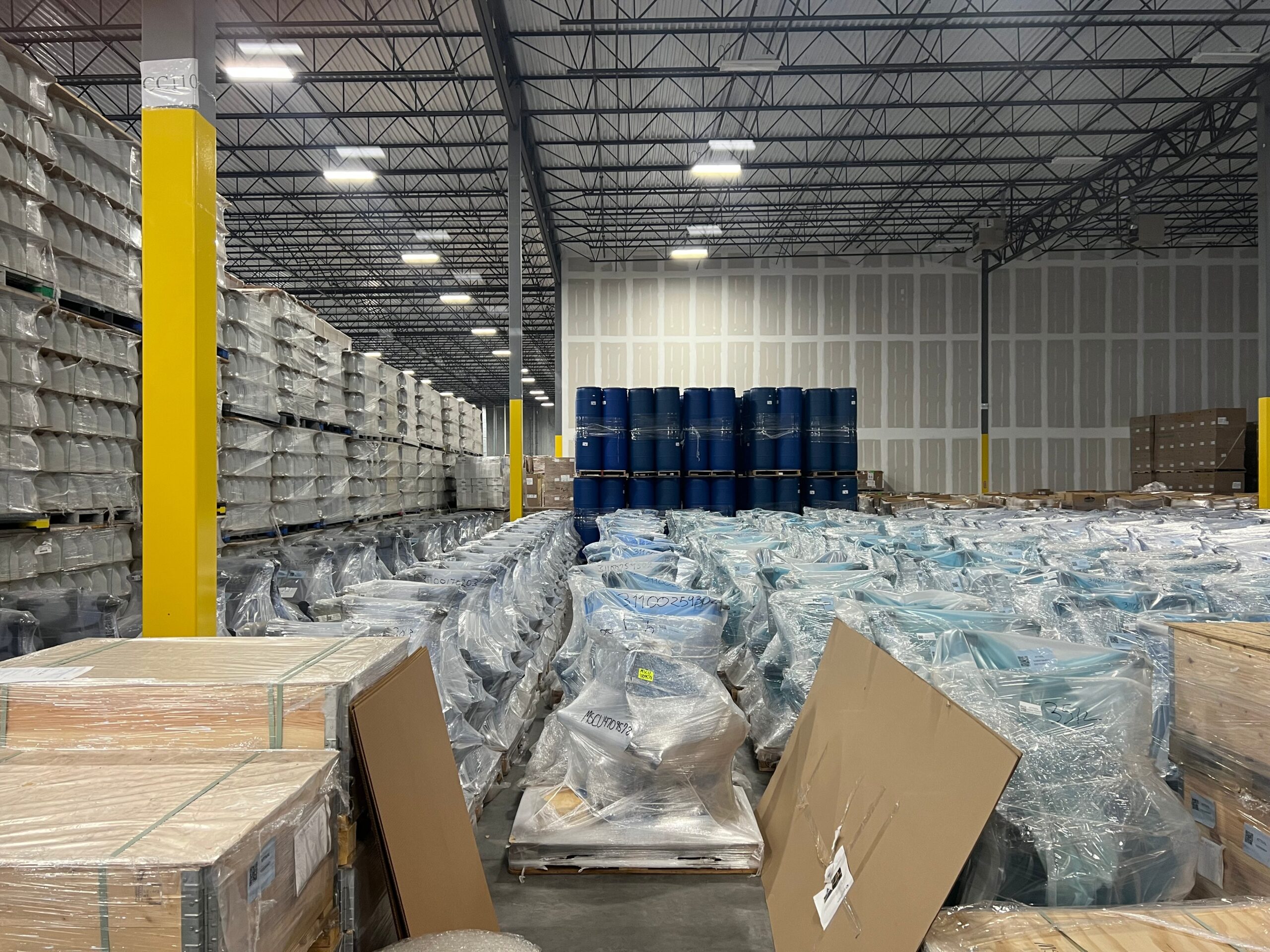
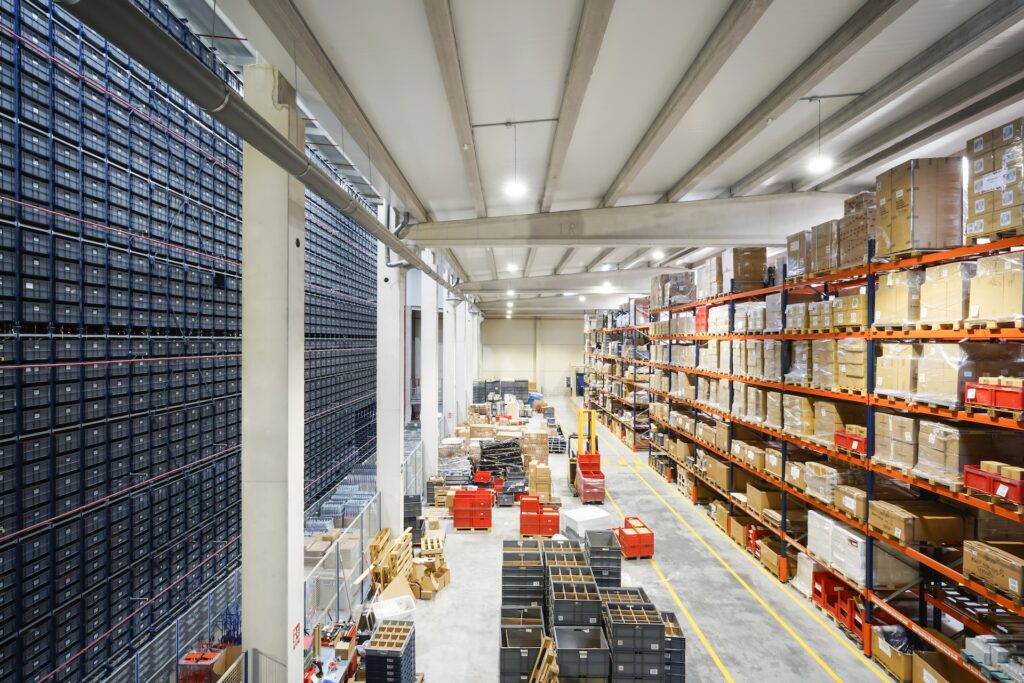
Implementing lean techniques in warehouse management can greatly improve delivery time, reduce material excess, and increase productivity. Lean manufacturing techniques emphasize waste reduction and continuous improvement by streamlining processes, reducing inventory, and focusing on value-added activities.

Utilizing these techniques can be particularly beneficial for small manufacturers that may not have the resources for larger inventory management systems. By constantly analyzing and optimizing processes, companies can identify areas of inefficiency and make targeted improvements to boost productivity and cut costs.

The Kaizen philosophy of continuous improvement can help companies develop a culture of innovation and adaptation that can lead to long-term success. If you’d like to find out more about Kaizen tools have a look at this article: 7 Kaizen Tools to Reduce Operational Waste.

2. Leveraging Automation for Accurate Stock Tracking

Leveraging automation for accurate stock tracking can greatly improve the efficiency of warehouse management. By implementing an automated system, small manufacturers can reduce delivery time and material excess, while improving productivity and lean manufacturing practices.

With accurate stock tracking, warehouse managers can easily identify high-performing products, discover patterns in customer demand, and make informed predictions about future inventory needs. This empowers them to optimize production processes and enhance their operations to ensure timely deliveries and efficient material usage.

Investing in automation for stock tracking can be a game changer for warehouse management, creating a foundation for continuous improvement and the optimization of overall organizational performance.

3. Implementing Quality Assurance Systems

Implementing quality assurance systems is crucial for warehouse management, especially for small manufacturers who want to reduce excess materials and improve productivity. To improve delivery time, it is essential to reduce errors in production and packaging.

By adopting quality assurance programs, such as lean manufacturing principles, manufacturers can identify the root cause of errors and implement corrective measures. Lean manufacturing promotes continuous improvement by focusing on minimizing waste, increasing efficiency, and streamlining processes.

As a result, manufacturers can improve the overall quality of products, reduce costs, and shorten delivery times. By using kaizen tools and processes, warehouse management teams can continuously monitor and refine quality assurance systems to ensure that they remain effective and relevant over time.

Business case: Discover how this case study can help optimize your inventory.

4. Analyzing Data to Identify Weaknesses

Analyzing data to identify weaknesses is a crucial step in the Kaizen process for warehouse management, particularly in small manufacturers where efficiency is paramount. By evaluating this data, warehouse managers can pinpoint where delivery time, material excess, and productivity could be improved to implement lean manufacturing practices.

Identifying weaknesses is the first step towards creating a plan for continuous improvement, and it can be achieved through a variety of methods such as collecting feedback from employees, monitoring supply chain metrics, conducting time and motion studies, and analyzing inventory data.

With the right tools and techniques, analyzing data can uncover valuable insights that can help warehouse managers address weaknesses in their operations and create a more efficient and productive warehouse environment.

5. Adopting Customer-Centric Strategies to Enhance Operations

Adopting customer-centric strategies can have a significant impact on enhancing operations in a warehouse. By focusing on meeting the needs and expectations of customers, warehouses can improve delivery time, reduce material excess, increase productivity, and ultimately achieve lean manufacturing.

Small manufacturers can benefit from this approach by gaining a competitive advantage through improved customer loyalty and increased business opportunities. Continuous improvement tools such as Kaizen can be used to uncover areas for improvement in the customer experience and optimize warehouse operations.

It is crucial for warehouses to continuously evaluate their processes and adapt accordingly to meet the evolving needs of customers and stay ahead of the competition.

Discover how this training program will help you eliminate manufacturing waste and transform the performance of your organization.

Conclusion

In conclusion, implementing Kaizen tools in warehouse management can significantly enhance efficiency, reduce waste, and increase productivity while maximizing profits. The key lies in fostering a culture of continuous improvement by involving all employees in the process and empowering them to contribute ideas for improvement.

By following the principles of Kaizen and regularly reviewing operations, warehouses can become more streamlined and effective, ultimately leading to increased customer satisfaction and business success.

Ready to optimize your operations?

Reach out today and let’s embark on a journey towards operational excellence together.


Join our community of like-minded Operational Excellence enthusiasts

Join our community of like-minded Operational Excellence enthusiasts and subscribe to our newsletter for the latest trends, expert insights, and exclusive content delivered straight to your inbox. Let’s connect, explore, and discover excellence in every step.

Share this insight

Recent Posts
Ieva Kalve

Ieva Kalve

Associate Consultant

I believe that it is healthy laziness that moves the world and business forward, and I am always ready to help find the most effective and appropriate solutions concerning strategic and change management, as well as various efficiency solutions in office work.

As a practicing consultant in Latvia, I already have 20 years of experience in various fields related to the optimization of organizational management:

  • I can help with advice on implementing the Balanced Scorecard system,
  • I have experience in creating IT and document management system modernization strategies,
  • I am a certified European ergonomist, and therefore we can work together on modern office solutions that both increase work efficiency and create comfortable and health-friendly workplaces.


I am constantly updating my knowledge both informally – following everything new in my areas of competence, and also formally: I have master’s degrees in pedagogy, economics, nutrition science, and modeling of sociotechnical systems. In 2021, I was a full-time student again for 1 semester – at the University of Buffalo (USA).

It is this unique “set” that allows me to view various processes, trends, and organizational needs holistically, offering realistic and at the same time modern solutions.

I also share my experience with students of various Latvian universities, I have given lectures in Lithuania, Germany, and Moldova as part of the Erasmus+ program, as well as participated in the international Sail program.

I also like to conduct corporate training.

Antoine

Antoine Hauger

ASSOCIATE CONSULTANT

Antoine is a marketing enthusiast with a deeper understanding of digital marketing.  

Having worked for SMEs and international groups, Antoine has gained deeper online marketing (B2B & B2C) experience in various industries like retail, automotive and software.

Being a Partner and Marketing Manager at a global software vendor in the open source segment enabled Antoine, on the one hand, to consult digital agencies to build up and extend relationships, increasing their client base and improving customer experience. And on the other hand, to build up his global marketing competencies (E-Mail/Social Media/Content/Event).

In his new role as Partner Marketing Manager, Antoine is responsible for the strategic & operative rollout of the partner marketing program to its worldwide partner network of 150+ members.