
In today’s competitive landscape, optimizing your work environment is no longer a luxury, it’s a necessity. The 5S methodology, a cornerstone of Lean manufacturing, offers a powerful framework to achieve just that.
This five-step approach, with each step starting with the letter “S,” helps create a cleaner, more organized, and ultimately, more productive workplace. To see how 5S integrates with broader Lean frameworks, check out our guide on 7 Kaizen Tools to Reduce Operational Waste and Improve Lean Process.
Why Implement 5S?
The benefits of 5S extend far beyond a neat and tidy workspace. This methodology fosters a culture of efficiency that can be applied across industries, from manufacturing to healthcare to even service-oriented businesses. Here’s how 5S can transform your operations:
Enhanced Organization and Productivity:
A cluttered workspace with misplaced tools and materials is a recipe for wasted time and frustration. 5S establishes a clear system for organization, ensuring everything has a designated place, leading to smoother workflows and increased productivity.
Waste Reduction:
5S goes beyond physical waste. It helps identify and eliminate the “7 wastes” of Lean manufacturing: overproduction, transportation, waiting, over-processing, inventory, defects, and motion. By streamlining processes and optimizing space utilization, 5S minimizes these wastes.
Standardized Workflows:
Standardized procedures and clear visual cues ensure consistency and reduce errors. This promotes a culture of “doing things right the first time,” leading to improved quality and reduced rework.
Employee Engagement:
5S empowers employees by involving them in creating a safe and efficient working environment. It fosters a sense of ownership and accountability, leading to a more engaged and motivated workforce.
Low-Cost, High-Impact:
Implementing 5S requires minimal financial investment. The primary focus is on a shift in mindset and utilizing existing resources effectively. The return on investment, however, is significant, with improved efficiency, reduced waste, and higher productivity.
The 5S Pillars:
Now, let’s explore the five pillars of the 5S methodology:
Sort (Seiri):
This initial step involves separating the essential from the non-essential. Identify and eliminate items that are no longer needed, unused tools, outdated materials, and unnecessary paperwork. Discard, relocate, or designate a specific storage area for items to be used in the future, with a clear timeline for their utilization.
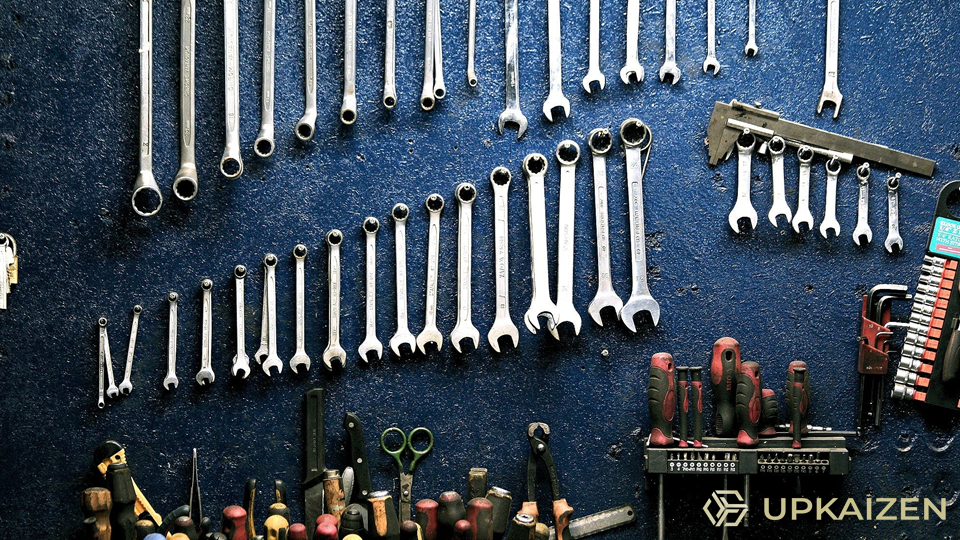
Set in Order (Seiton): Once clutter is cleared, it’s time to establish an organized system. Designate a specific place for everything – tools, equipment, materials, and documents. Use clear labeling, visual aids, and designated storage solutions to ensure items are easily identifiable and accessible.
Shine (Seiso): A clean work environment not only promotes a more pleasant atmosphere but also contributes to safety and efficiency. This step involves establishing a regular cleaning routine. Identify appropriate cleaning materials, designate responsible individuals or teams, and implement a standardized approach to keep the workplace spotless.
Standardize (Seiketsu): This phase focuses on consistency and maintaining the gains achieved through the previous steps. Document and visualize best practices for organization, cleaning, and overall work processes. Use visual aids like checklists, flowcharts, and standard operating procedures (SOPs) to ensure everyone understands and follows the established procedures.
Sustain (Shitsuke): The final step is all about continuous improvement. 5S is not a one-time event; it’s a continuous journey of refinement. Regular audits, employee engagement initiatives, and a culture of continuous improvement are key to maintaining the gains achieved through the 5S implementation.
Beyond the Basics: Making 5S Your Own
While the core principles of 5S are universally applicable, the specific implementation strategies can be tailored to your unique workplace needs. Here are some tips for successful 5S implementation:
- Leadership Commitment: Active support and participation from leadership is crucial for successful 5S adoption. Leaders should champion the initiative and actively engage with employees throughout the process.
- Employee Involvement: Get your team on board! Involve employees in the sorting, organizing, and cleaning processes. This fosters a sense of ownership and promotes continuous improvement.
- Visual Management: Utilize visuals like color coding, floor markings, and signage to reinforce the 5S principles and enhance ease of access.
- Regular Audits and Reviews: Conduct regular audits to assess and address any deviations from established standards.
Conclusion:
The 5S methodology is a powerful tool for cultivating a culture of efficiency and continuous improvement in your workplace. By implementing the 5S principles – Sort, Set in Order, Shine, Standardize, and Sustain – you can create a cleaner, more organized, and ultimately, more productive environment.
The benefits are numerous: reduced waste, improved quality, employee engagement, and ultimately, a significant boost to your bottom line. Remember, 5S is a journey, not a destination. By actively engaging your team, fostering continuous improvement, and adapting the methodology to your specific needs, you can unlock the full potential of 5S and transform your workplace into a model of efficiency.
Interested in implementing 5S in your workplace?
Discover how our tailored operations management services can help you eliminate waste and improve the operational performance of your organization.