
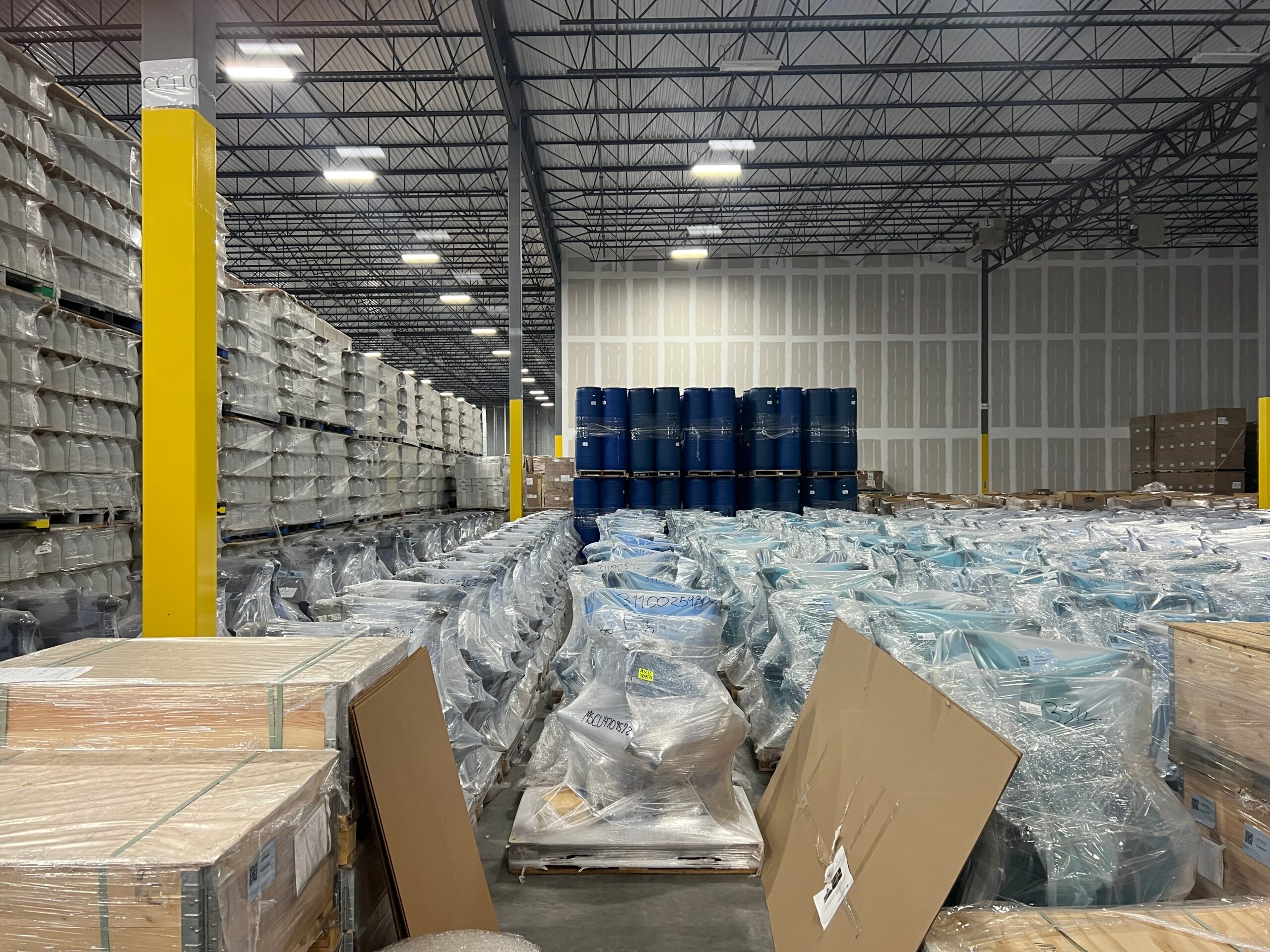


Obsolete inventory, also known as dead stock, is a silent killer for SMEs. It ties up capital, takes up valuable warehouse space, and incurs holding costs. Obsolete inventory is defined as stock that is unlikely to be sold or used in the future, such as outdated models, expired goods, or excess items from old projects. It’s not just “slow-moving,” it’s “no-moving”. The good news is that you can take immediate steps to address this problem.
The Hidden Costs of Obsolete Inventory:
- Tied-Up Capital: Money that could be invested elsewhere.
- Storage Costs: Expenses for rent, utilities, and labor to manage the stock.
- Obsolescence Risk: The value of the stock continues to decline.
- Disposal Costs: It can be expensive to get rid of obsolete items.
- Reduced Space: Less room for profitable, fast-moving items.
Quick Tips to Identify and Reduce Obsolete Inventory:
Beyond liquidation strategies, systematically reducing warehouse holding expenses requires eliminating root-cause operational waste. For actionable tactics to streamline your storage layout and material flow, read our strategic guide on reducing warehouse costs by using Kaizen principles.
- Define “Obsolete” Clearly: Establish clear criteria, such as “no sales in 12 months” or “past expiration date”. This provides a clear trigger for action and consistency.
- Regular Inventory Audits & Analysis: Conduct frequent physical counts and compare them to system records. Use your WMS/ERP or a spreadsheet to identify items with low or zero movement over a set period. Early detection prevents small problems from becoming large ones.
- Implement a “First-In, First-Out” (FIFO) System: Ensure older stock is moved out before newer stock. This is especially crucial for perishable goods but is a good practice for all items. This system reduces the likelihood of stock aging into obsolescence.
- Aggressive Liquidation Strategies: Don’t hold onto dead stock hoping for a miracle. Consider discounts, bundles with popular items, or donations for tax benefits. If no other option exists, dispose of the items responsibly. These strategies can help you recoup some capital and free up space quickly.
- Improve Demand Forecasting & Procurement: Analyze historical sales data, consider seasonality, and communicate with sales teams. Adjust purchasing habits to align more closely with actual demand to prevent future accumulation of obsolete stock.
UPKAIZEN’s Role: Proactive Inventory Optimization
UPKAIZEN’s Role: Proactive Inventory Optimization
We help SMEs implement robust inventory management processes to eliminate dead stock permanently. Our frameworks combine practical shop-floor controls with structured methodologies—learn more in our complete guide on implementing Lean principles in inventory management step-by-step. We focus on tactical execution that delivers immediate, measurable ROI.
Conclusion
Obsolete inventory is a silent drain on your SME’s working capital. By establishing clear obsolescence triggers, enforcing FIFO, and aligning procurement with actual demand, you can free up valuable cash flow and warehouse capacity.
Is Excess Inventory Locking Up Your Operational Cash Flow?
Uncover hidden bottlenecks, identify slow-moving holding costs, and quantify your cost-reduction potential with our targeted diagnostics:
👉 Subscribe to our newsletter for the latest trends, and expert insights.