


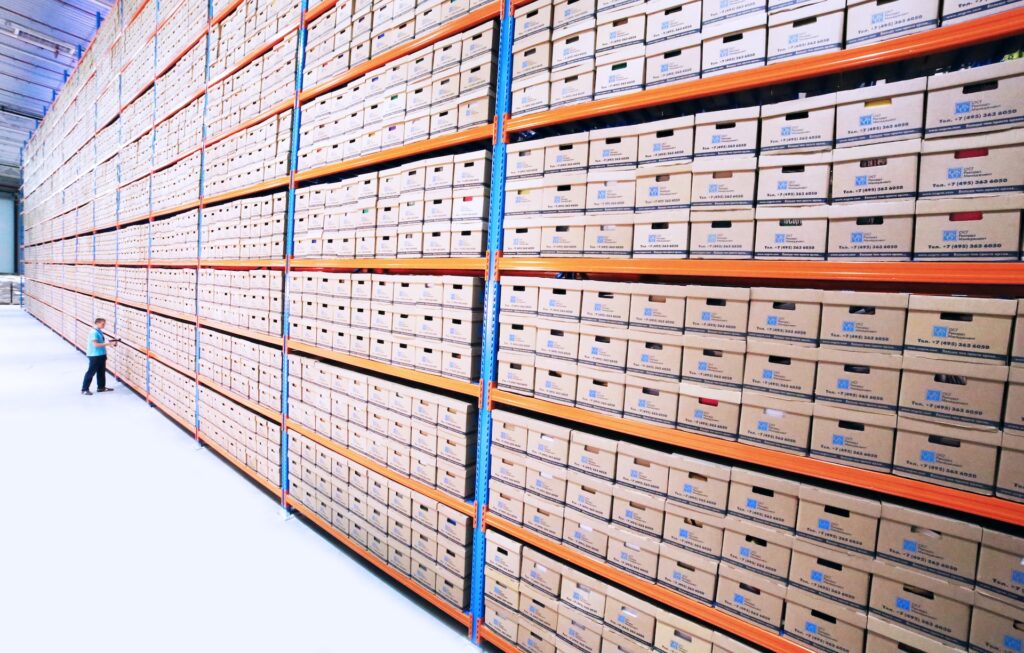
Effective inventory management is the backbone of any profitable supply chain. Yet, many manufacturing and logistics executives approach stock control as a reactive routine. This results in bloated carrying costs, warehouse congestion, obsolete stock, and delayed fulfillment cycles.
Adopting Gestión de inventarios eficiente eliminates non-value-added storage (Muda) and aligns raw material and finished goods buffer levels strictly with actual customer demand.
High Carrying Costs
Dead Stock Risk & Warehouse Congestion
ABC-XYZ Velocity Sorting
Automated Min-Max Pull & Scanning
Maximized Turnover
Reduced Holding Costs & Unlocked Cash
5 Practical Strategies to Simplify Inventory Management
1. Segment Stock via ABC-XYZ Demand Velocity
Simplifying inventory control starts with prioritizing your core SKUs. Segmenting your inventory by transaction volume and demand variability ensures that capital and warehouse footprint are allocated efficiently.
- A-Class Items: Fast-moving items requiring continuous replenishment and optimal slotting near packing bays.
- C-Class & Obsolete Stock: Low-velocity SKUs that risk becoming dead stock and clogging working capital.
Consejo práctico: Review your portfolio quarterly to clear stagnant buffer stock and avoid unnecessary holding fees. For step-by-step techniques on eliminating warehouse waste, see our guide on Reducing Warehouse Costs Using Kaizen Principles.
2. Implement Automated Pull Systems (Kanban)
Relying on manual reordering introduces human error and lead-time delays. Transitioning to automated pull mechanisms (Just-In-Time replenishment and digital Kanban) aligns material purchasing directly with shop-floor consumption.
Consejo práctico: Set visual Min-Max stock thresholds for critical raw materials to prevent both catastrophic stockouts and costly overstocks.
3. Establish Data-Driven Demand Forecasting
Relying on intuition rather than historical demand velocity ties up valuable working capital in slow-moving inventory.
Consejo práctico: Utilize Value Stream Mapping (VSM) to analyze lead times from vendor procurement to final customer delivery, reducing total order cycle time.
4. Standardize Receiving and Put-Away Operating Procedures (SOPs)
Inconsistent receiving routines lead to inventory miscounts, misplaced pallets, and stock audit discrepancies.
Consejo práctico: Deploy barcode scanning and visual SOPs at receiving docks to validate stock levels instantly and update inventory management systems in real time.
5. Conduct Regular 5S Audits to Prevent Working Capital Locks
Poor layout design forces pickers to waste hours traveling across the warehouse floor.
Consejo práctico: Execute routine 5S audits (Sort, Set in Order, Shine, Standardize, Sustain) to optimize racking layouts and maintain accurate stock location tracking.
Identifique el capital bloqueado con el escáner de bloqueo de efectivo del inventario
Applying Lean principles streamlines warehouse workflows, but identifying exactly where cash is trapped in your inventory requires a targeted diagnostic scan.
UPKAIZEN Escáner de bloqueo de efectivo de inventario bridges warehouse operations with balance sheet profitability:
- Exponer artículos usados y sobrantes: Pinpoint dormant SKUs draining cash flow.
- Optimize Safety Stock Buffers: Right-size inventory levels without increasing stockout risks.
- Reclaim Warehouse Space: Maximize storage capacity without expensive physical expansion.
Convert Static Inventory into Liquid Cash
Is excess inventory tying up your company’s working capital? Solicite un escáner de bloqueo de efectivo de inventario y diagnóstico today to locate hidden operational costs and accelerate your inventory turnover.