


Executive Summary
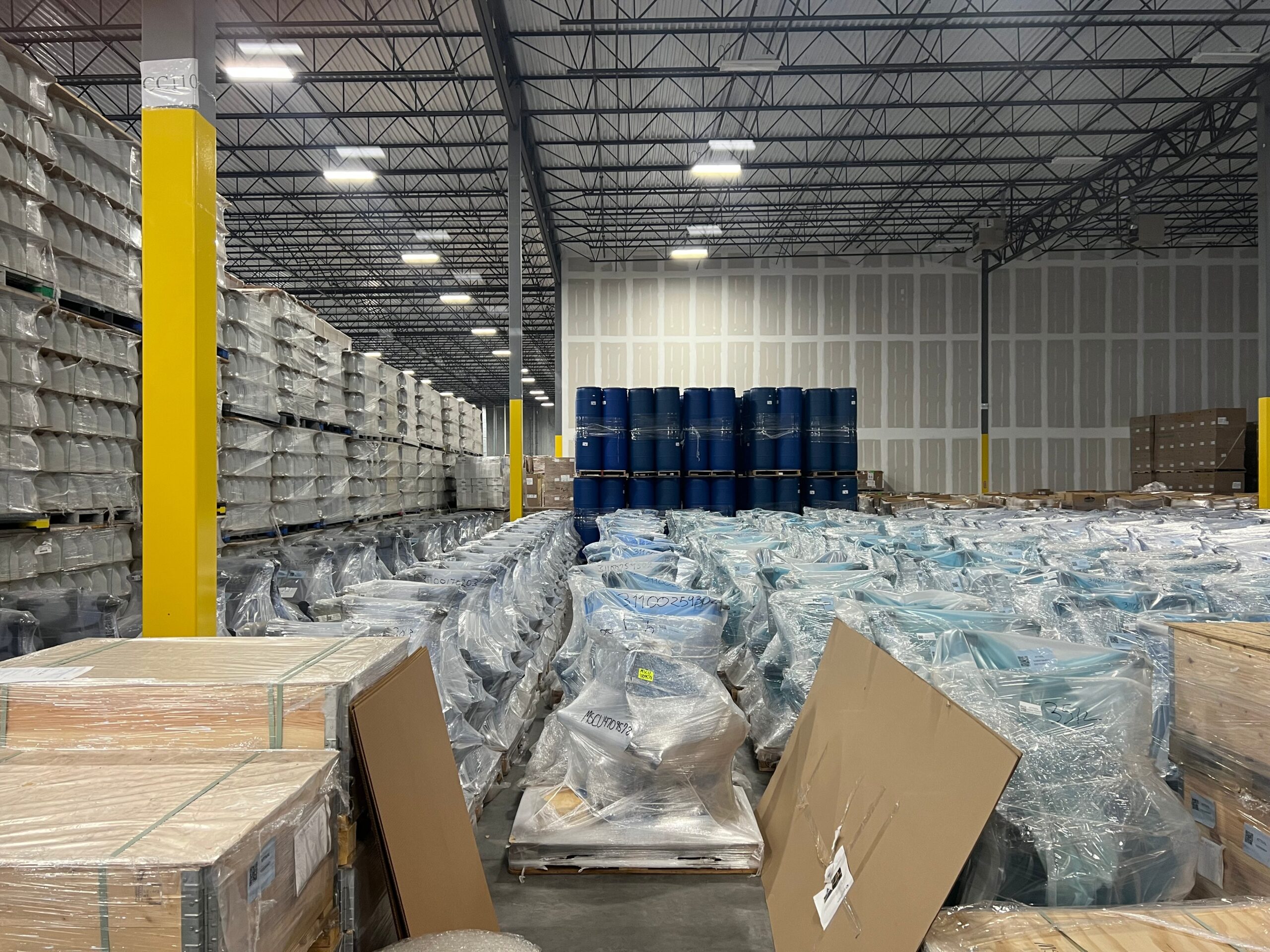
A common bottleneck across manufacturing and logistics companies is the disconnect between high shop-floor output and stagnant cash flow. While operations run continuously, financial statements often reveal trapped working capital-largely locked inside mismanaged spare parts, inaccurate inventory counts, and safety stock hoarding.
In a recent technical feature published in collaboration with El Reliability Post, UPKAIZEN Founder Dante Garcia dissected why traditional inventory management fails and how operational alignment directly unlocks liquidity without added CAPEX.
The Dual Threat: Unplanned Stockouts vs. Safety Stock Hoarding
In industrial environments, two operational failures coexist far more often than leadership admits:
- Unplanned Stockouts: A critical component is listed as “available” in the ERP system, but cannot be physically found when an urgent work order arrives. The result? Extended machine downtime, panicked maintenance teams, and premium emergency shipping costs.
- Safety Stock Hoarding: To prevent stockouts, plant managers accumulate “just-in-case” inventory. This habit freezes vital capital, increases warehousing footprint costs, and drastically elevates the risk of material obsolescence.
“Maintaining inventory without rigorous financial alignment immobilizes resources that should be reinvested into core production or preventative maintenance,” notes Dante Garcia, Founder of UPKAIZEN. “When a technician spends 20 minutes searching for a misplaced part, that is not a housekeeping issue-it is unrecovered EBITDA.”
3 Strategic Pillars to Unlock Trapped Liquidity
To eliminate these structural leaks, UPKAIZEN recommends moving away from reactive habits and implementing three core operational shifts:
1. Transition from Static Spreadsheets to Integrated Real-Time Data
Managing high-value spare parts on disconnected spreadsheets creates dangerous discrepancies between recorded data and physical reality. Modern operations require real-time tracking to trigger reorders based on true operational demand, not instinct or panic.
2. Implement Dynamic Cycle Counts Over Annual Shutdowns
Massive annual audits only report damage after it has occurred. Regular, scheduled cycle counting aligns digital records with physical shelves continuously, preventing unexpected downtime and enabling precise preventative maintenance planning.
3. Reframe Inventory as a Financial Asset
Internal logistics is not a secondary housekeeping duty-it is a direct financial lever. Optimizing physical layout and deploying traceability technologies (such as RFID or barcodes) slashes response times and protects operating margins.
Media Feature & Full Interview
The complete technical discussion on inventory optimization, supply chain restructuring, and working capital recovery was recently featured in El Reliability Post.
👉 Read the full interview feature on El Reliability Post
Take Action: Map Your Hidden Operational Leaks
Is hidden inventory or mismatched lead time eroding your operating profit? You don’t need additional CAPEX, larger facilities, or heavier software modules. You need visibility.
UPKAIZEN’s proprietary RADAR™ Scan actively detects hidden operational leaks across your value stream.