
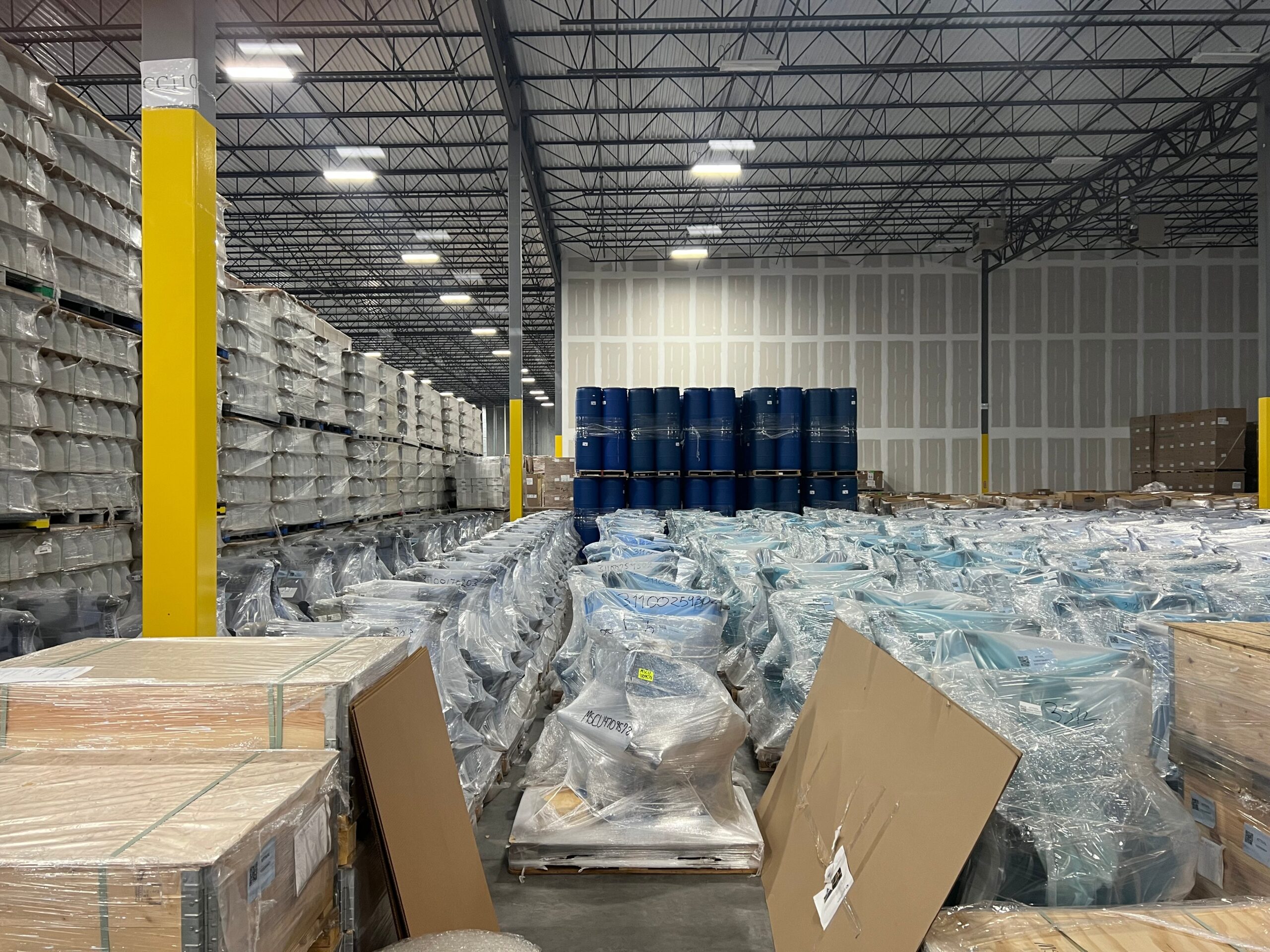

This case study examines the storage, packing, and shipping costs for a B2B e-commerce business operating on the US East Coast. The primary objective is to identify opportunities for cost reduction and operational efficiency improvements through optimized warehousing and leveraged shipping strategies within this specific geographic region. The analysis aims to develop a scalable and cost-effective fulfillment strategy that supports both current business volume and anticipated future growth in the competitive e-commerce market. Direct material costs and inbound logistics to the East Coast warehouse are outside the scope of this analysis.
Current Situation
The business faces the common e-commerce challenge of efficiently managing inventory and fulfilling orders for a diverse product catalog, serving a geographically dispersed customer base across the East Coast. This study analyzes relevant costs within this region to inform budgeting, pinpoint areas for optimization, and ensure timely and accurate order fulfillment. Preliminary calculations are based on company data, industry benchmarks, and quotes from potential third-party logistics (3PL) providers specializing in e-commerce fulfillment on the East Coast.
Cost Analysis: Two Scenarios
To evaluate potential warehousing and fulfillment solutions, two distinct scenarios were analyzed for each potential 3PL partner:
- Current Volume Scenario: This scenario reflects the current order volume originating from and delivered within the East Coast region. It serves as a baseline for cost comparison and performance evaluation, representing the business’s present operational scale.
- Projected Growth Scenario: This scenario models anticipated future growth in order volume originating from and shipped within the East Coast region. It assesses the scalability of each 3PL provider’s services and their capacity to handle increased demand. The specific growth projection (e.g., 2x, 3x, or a percentage increase) would be determined based on the business’s sales forecasts.
These scenarios provide a flexible framework for analysis, allowing for adjustments to input data to explore various “what-if” scenarios. This adaptability is critical for comprehensive analysis and strategic decision-making. The core of this analysis lies in finding the optimal balance between order volume, inventory turnover within the East Coast region, and the associated costs of storage, packing, and shipping. Achieving this equilibrium is essential for minimizing expenses and maximizing operational efficiency in the dynamic e-commerce landscape.
Cost Components
The following cost components were considered for warehouse storage and fulfillment on the East Coast:
- Onboarding and System Integration: One-time setup fees for integrating the 3PL’s systems with the business’s e-commerce platform, enabling seamless order processing and data exchange.
- Receiving and Inventory Management: Costs associated with receiving incoming inventory at the East Coast warehouse, including unloading, inspection, quality control, and inventory documentation. Efficient receiving and accurate inventory management are crucial for smooth operations.
- Storage and Warehousing: Costs for storing inventory at the East Coast facility. This includes considerations for various storage methods (e.g., pallet racking, shelving, specialized storage) depending on product characteristics, optimizing space utilization, and managing inventory levels.
- Order Fulfillment (Picking, Packing, and Shipping): Costs associated with picking items from inventory, packing orders securely for shipment, quality control checks, and preparing shipments for dispatch. Order accuracy and speed are key performance indicators in e-commerce fulfillment.
- Shipping and Labeling: Costs for generating and applying shipping labels, including integration with carrier tracking systems, and preparing necessary shipping documentation.
- Returns Processing: Costs associated with receiving, inspecting, restocking (or disposing of) returned products from East Coast customers. Efficient returns processing is essential for customer satisfaction.
- Inventory Management System (IMS) Fees: Ongoing costs for using the 3PL’s or a third-party IMS, including software fees, data management, and reporting capabilities.
Potential Cost Savings through Leveraged Shipping Fees
Significant cost savings can be realized by strategically managing shipping expenses:
- Regional Carrier Negotiations: Leveraging shipping volume within the East Coast region to negotiate favorable rates with regional carriers. Exploring partnerships with 3PLs offering pre-negotiated carrier discounts.
- Shipping Zone Optimization: Analyzing customer distribution across the East Coast to strategically position warehouses and minimize shipping distances and associated costs.
- Shipping Software and Automation: Implementing shipping software to automate label generation, rate comparisons across multiple carriers, and shipment tracking, streamlining operations and potentially reducing costs.
- Packaging Optimization: Focusing on right-sizing packaging to reduce dimensions and weight, directly impacting shipping costs. Exploring sustainable and cost-effective packaging options.
Conclusion
This case study provides a structured approach to optimizing fulfillment operations for a B2B e-commerce business serving the US East Coast. By carefully evaluating cost components, exploring potential savings through leveraged shipping strategies, and analyzing 3PL provider offerings, the business can develop a scalable and cost-effective fulfillment model. The insights gained from this analysis will empower informed decision-making and contribute to improved profitability and enhanced customer satisfaction within this competitive market.
Are you a B2B e-commerce business owner facing similar fulfillment challenges?
Contact us today for a complimentary consultation to discuss how we can help you optimize your warehousing, packing, and shipping strategies to reduce costs and improve efficiency. Let us help you scale your business and enhance customer satisfaction.
Not ready for a diagnostic? Join our newsletter