
Optimizing Inventory: Guide for Business Leaders

This guide outlines key strategies for factory managers to improve efficiency and reduce costs through effective inventory management.
Latest Updates & Insights
Trusted by Operational Excellence Professionals
Project Manager, OSF Digital
"A Supply Chain Management Guru. The technical assessments developed with real-life scenarios are top-tier. I learned a lot through this framework."
CEO, Paadio Consulting
"A great place to learn and grow. The methodology provides exceptional service through deep knowledge and strategic empathy."
Founder & Editor-in-Chief, Technics Publications
"High-quality educational frameworks and products. An excellent educator and expert in Supply Chain Management."
Operations Professional, Manufacturing Sector
"Highly informative for understanding concepts from end to end. It provides great illustration of what supply chain and logistics is all about."
Logistics Expansion Director, International Trade & Retail.
"Very informative and provided the necessary tools to develop advanced skills and drive career improvement in operational excellence."
Connect with us

Inventory optimization is crucial to the success of modern manufacturing. This guide outlines key strategies for factory managers to improve efficiency and reduce costs through effective inventory management.

Key Principles

Inventory optimization balances supply and demand, minimizing overstock and preventing shortages. Well-managed inventory improves cash flow and profitability. It is essential to periodically assess current stock and identify areas for improvement. The transition from spreadsheets to integrated management systems (ERPs/MRPs) streamlines operations, allowing for efficient identification of high-demand products, quantification of lead time, and automated reorder points.

Key Strategies

1. Cycle Counting

Frequent cycle counts ensure accurate inventory records and early detection of discrepancies. This proactive approach minimizes disruptions and costly errors.

2. FIFO (First In, First Out)

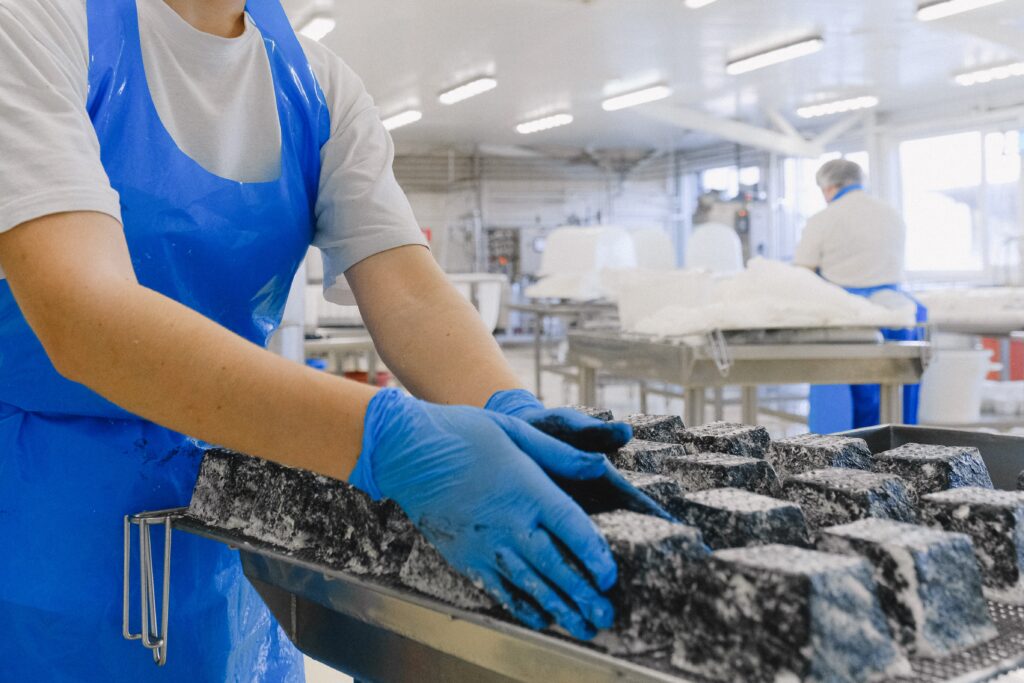
Implementing FIFO, where the oldest inventory is used first, reduces the risk of spoilage or obsolescence, minimizing waste and maximizing product shelf life.
3. Demand Forecasting and Production Adjustment

Accurate demand forecasting is vital. Leveraging trend analysis and machine learning algorithms enables real-time insights into product demand, allowing for informed production adjustments and avoiding overstocks or stockouts.

4. Just-in-Time (JIT) Inventory

JIT aims to minimize storage costs by receiving materials only when needed. This requires close coordination with suppliers and strict adherence to production schedules.

5. Barcode/RFID Technology

Automating inventory tracking with barcode or RFID technology reduces human error, saves time, and improves accuracy. These technologies enable real-time tracking of inventory levels and product movement.

6. Warehouse Layout and Organization

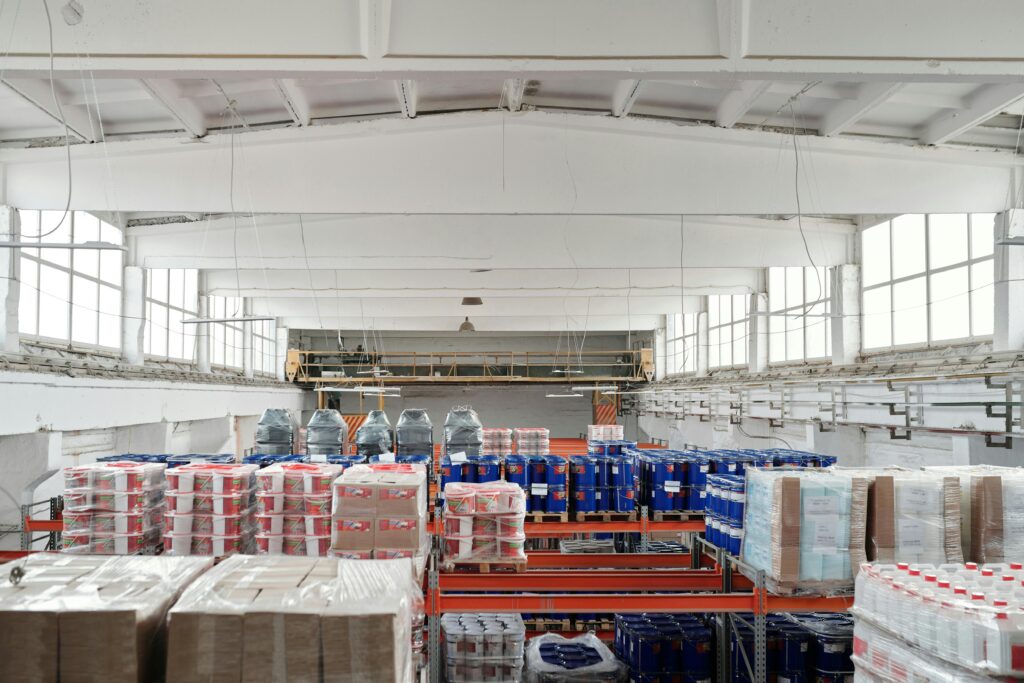
A well-organized warehouse maximizes space utilization, reduces unnecessary movement, and improves tracking accuracy. Optimizing warehouse layout is crucial for efficient operations.
7. Supplier Managed Inventory (VMI)
interim management

VMI involves suppliers taking greater responsibility for inventory management, leading to faster inventory turnover. Successful VMI requires strong communication and trust between the factory and its suppliers.

8. Quality Assurance Program

Implementing a quality assurance program minimizes inventory loss or damage. This includes proper labeling, packaging, and storage, and training staff in identifying hazards and reducing waste. Regular inspections, audits, and a robust reporting system are essential.
9. Periodic Review of Policies and Procedures

Inventory management is dynamic. Periodic review and adjustment of inventory policies and procedures based on performance metrics and market trends is essential for continuous improvement. Analyzing key metrics such as inventory turnover, carrying costs, and stockout rates helps identify areas for optimization.

Conclusion

Inventory optimization is an ongoing process. By implementing these strategies, manufacturers can streamline operations, reduce costs, improve cash flow, and increase customer satisfaction.

Prioritizing inventory optimization is a strategic advantage in today’s competitive landscape, allowing companies to adapt to market changes, minimize waste, and maximize profitability.

👉 Access to the whitepaper: Optimize your inventory: Guide for factory managers

Share this insight

Recent Posts
Ieva Kalve

Ieva Kalve

Associate Consultant

I believe that it is healthy laziness that moves the world and business forward, and I am always ready to help find the most effective and appropriate solutions concerning strategic and change management, as well as various efficiency solutions in office work.

As a practicing consultant in Latvia, I already have 20 years of experience in various fields related to the optimization of organizational management:

  • I can help with advice on implementing the Balanced Scorecard system,
  • I have experience in creating IT and document management system modernization strategies,
  • I am a certified European ergonomist, and therefore we can work together on modern office solutions that both increase work efficiency and create comfortable and health-friendly workplaces.


I am constantly updating my knowledge both informally – following everything new in my areas of competence, and also formally: I have master’s degrees in pedagogy, economics, nutrition science, and modeling of sociotechnical systems. In 2021, I was a full-time student again for 1 semester – at the University of Buffalo (USA).

It is this unique “set” that allows me to view various processes, trends, and organizational needs holistically, offering realistic and at the same time modern solutions.

I also share my experience with students of various Latvian universities, I have given lectures in Lithuania, Germany, and Moldova as part of the Erasmus+ program, as well as participated in the international Sail program.

I also like to conduct corporate training.

Antoine

Antoine Hauger

ASSOCIATE CONSULTANT

Antoine is a marketing enthusiast with a deeper understanding of digital marketing.  

Having worked for SMEs and international groups, Antoine has gained deeper online marketing (B2B & B2C) experience in various industries like retail, automotive and software.

Being a Partner and Marketing Manager at a global software vendor in the open source segment enabled Antoine, on the one hand, to consult digital agencies to build up and extend relationships, increasing their client base and improving customer experience. And on the other hand, to build up his global marketing competencies (E-Mail/Social Media/Content/Event).

In his new role as Partner Marketing Manager, Antoine is responsible for the strategic & operative rollout of the partner marketing program to its worldwide partner network of 150+ members.